Four air conditioning units from Dayton Heating and Air are mounted on an exterior wall behind a black metal fence, with three additional yellowish units positioned on a metal platform above them. Sunlight casts shadows across the wall and units.

Dayton Heating and Air: Complete Home Guide

Dayton heating and air systems battle extreme Midwest weather for year-round comfort. Families in Moraine and Kettering rely on efficient HVAC to handle freezing winters and humid summers. Stanley Heating, Cooling & Plumbing delivers top-rated heating and air solutions tailored to local homes.

From 15°F chills near the Great Miami River to 95°F heat waves by Wright-Patterson Air Force Base, reliable systems prevent breakdowns. Smart choices cut energy bills significantly. This guide covers options, maintenance, and pro services for Dayton heating and air.

Heating and Air, Dayton, Ohio

Dayton heating and air demands versatile systems for 180 cold days and 120 cooling days annually.

Gas furnaces dominate with 95% efficiency ratings, perfect for West Carrollton basements. Heat pumps offer dual heating and air performance down to 0°F in milder Huber Heights. Central air units with 16+ SEER ratings tackle summer humidity near UD Arena.

Annual tune-ups keep both sides running smoothly. Stanley pairs heating and air systems for seamless operation.

Common Dayton Heating Problems

Winter wear hits local furnaces hard.

Dirty filters restrict airflow in Kettering bungalows. Heat exchanger cracks from freeze-thaw cycles need urgent fixes. Pilot lights fail during power surges near the Oregon District.

Spot reduced heat or strange noises early. Twice-yearly service prevents 80% of breakdowns.

Air Conditioning Challenges in Dayton

Humidity and pollen strain cooling systems.

Clogged coils drop efficiency 15-20% in Moraine summers. Refrigerant leaks spike electric bills near Air Force Museum. Dirty drains flood garages during heat waves.

Clean filters monthly. Shade outdoor units for better performance.

Maintenance Schedule for Optimal Performance

Stay ahead of Ohio weather swings.

Fall Heating Prep: Clean burners, check safety controls, replace belts.
Spring AC Service: Recharge refrigerant, clear condensate lines, test capacitors.

Smart thermostats save 10-15% automatically. Stanley maintenance plans prioritize Dayton homes.

What Are the Best HVAC Maintenance Plans for Reducing Repair Costs in Dayton, Ohio?

The best plan for your home depends on the equipment, included visits, and price. When comparing maintenance plans, ask how many heating and cooling visits are included, what the technician checks, whether filters and parts are included, and how repair discounts or priority scheduling work. Compare the annual fee with the listed services and ask for exclusions in writing. Routine inspections can reveal developing problems, but a plan cannot guarantee fewer breakdowns or lower total repair costs. Keep service records and follow the equipment manufacturer’s maintenance instructions.

Energy Efficiency Upgrades

Lower bills with proven improvements.

Seal ducts in Beavercreek attics for instant gains. Insulate against winter inversions near Carillon Historical Park. Variable-speed blowers cut runtime 30%.

High-efficiency rebates reward upgrades through local programs.

Why Stanley Excels in Dayton Heating and Air

  • Local Authority: NATE-certified experts
  • Fast Coverage: Rapid response from Moraine to the Dayton Dragons stadium.
  • Verified Results: 5-star reviews praise reliable heating and air performance.
  • Experience unmatched Dayton heating and air service.

FAQ

What’s the best furnace for Dayton heating and air?
95% AFUE gas models with compatible AC coils.

How often does Moraine heating and air need service?
Twice yearly to match seasonal demands.

Do Kettering heat pumps handle dual heating and air?
Yes, modern units excel in variable weather.

What causes most Dayton air conditioning failures?
Dirty coils and low refrigerant top the list.

Does Stanley finance heating and air upgrades?
Yes, 0% intro plans for local homeowners.

Make the Cost-Effective Choice for Your Home


Whether you need a routine tune-up or a full heating and air upgrade, Stanley Heating Cooling & Plumbing helps Dayton families balance short-term costs with long-term savings.

For fast, reliable service, visit Stanley Heating, Cooling & Plumbing at 2019 Dryden Road, Moraine, OH 45439, call (937) 902-1874, or schedule online at stanleyheatingcooling.com. Call today for same-day service and experience the Stanley Standard trusted across Dayton.


A metal ladder leads to the flat roof of a white building with orange trim, featuring Heating and Air Conditioning units and a vent against a clear blue sky.

Heating and Air Conditioning in Dayton, OH: Your Complete Guide

Heating and air conditioning in Dayton, OH keep homes comfortable through brutal winters and steamy summers. Reliable systems handle 20°F freezes near the Great Miami River and 95°F humidity by Wright-Patterson Air Force Base. Stanley Heating Cooling & Plumbing delivers complete solutions for Moraine and Kettering families.

Dayton weather tests HVAC with 180 heating days and 120 cooling days yearly. Poor setups mean high bills or breakdowns. This guide details options, maintenance, efficiency, and costs for year-round control.

Best Heating Systems for Dayton Winters

Gas furnaces lead for long, cold seasons, averaging 30°F.

High-efficiency models hit 95%+ AFUE for West Carrollton homes. Heat pumps suit milder Huber Heights spots down to 0°F. Boilers warm older Kettering radiators effectively.

Size right: 40-60 BTU per square foot accounts for drafty buildings near UD Arena. Annual tune-ups prevent carbon monoxide risks.

Stanley matches systems to local gas rates and insulation levels.

Top Air Conditioning Options for Dayton Summers

Central AC battles 80% humidity from June through September.

16+ SEER units save 25% on electric peaks. Ductless mini-splits cool Oregon District condos without ductwork. Hybrid heat pumps combine heating and cooling efficiency.

Clean coils quarterly. Shade outdoor units near Air Force Museum for better performance.

Stanley’s installs handle Dayton’s stop-start weather patterns.

Essential Maintenance for Longevity

Twice-yearly service matches Ohio seasons perfectly.

Spring AC Prep: Check refrigerant, clear drains, test capacitors.
Fall Heating Tune: Clean burners, inspect exchangers, replace filters.

DIY tasks include monthly filter swaps and vent cleaning. Plans catch small issues before breakdowns hit Oakwood commuters.

Energy Savings Strategies

Cut bills 20-40% with smart habits.

Program thermostats to 68°F winter, 78°F summer. Seal ducts in Beavercreek attics. Use ceiling fans year-round. Insulate against inversions near Carillon Historical Park.

High-efficiency upgrades qualify for federal tax credits. Stanley audits reveal quick wins.

Common HVAC Problems in Dayton

Local conditions accelerate wear.

Hard water corrodes coils in Moraine basements. Pollen clogs filters near Dayton Dragons stadium. Freeze-thaw cycles crack exchangers. Storm surges overload capacitors.

Spot leaks, noises, or uneven temps early. Stanley’s prompt response minimizes damage.

Cost Guide for Dayton Homeowners

Furnace install: $3,500-$7,500. AC replacement: $4,500-$9,000. Full system swap: $8,000-$15,000.

Tune-ups cost $99-$225. Labor averages $125/hour in Montgomery County. Stanley’s current deal: $300 off new systems through April.

Financing and rebates ease upgrades for tight budgets.

Why Choose Stanley for Dayton HVAC

  • Decades of Expertise: NATE-certified, mastering local codes.
  • Comprehensive Service: Installs, repairs, and maintenance covered.
  • Rapid Response: Same-day fixes from Moraine to Air Force Base.
  • 5-star reviews confirm unmatched reliability.

FAQ

What’s the most efficient heating for Dayton’s cold?
95% AFUE gas furnaces with variable-speed blowers.

How often should Kettering AC get serviced?
Twice yearly plus monthly filters for humidity.

Do heat pumps work in Moraine winters?
Modern dual-fuel models heat efficiently to -10°F.

What causes most Dayton HVAC breakdowns?
Dirty filters and neglected maintenance top the list.

Does Stanley finance HVAC in Dayton?
Yes, 0% intro plans for qualified homeowners.

Make the Cost-Effective Choice for Your Home


Whether you need a routine tune-up or a full HVAC upgrade, Stanley Heating Cooling & Plumbing helps Dayton families balance short-term costs with long-term savings.

For fast, reliable service, visit Stanley Heating, Cooling & Plumbing at 2019 Dryden Road, Moraine, OH 45439, call (937) 902-1874, or schedule online at stanleyheatingcooling.com. Call today for same-day service and experience the Stanley Standard trusted across Dayton.


Exposed black industrial air ducts and pipes run along a dark ceiling, with a round smoke detector attached nearby—reflecting the quality installations seen with HVAC Service Dayton in commercial or industrial buildings.

HVAC Service Dayton, Ohio: Preventive Maintenance That Saves Money

Routine HVAC service in Dayton, Ohio, keeps systems running efficiently through humid summers and bitter winters. Preventative maintenance cuts energy bills by 15-30% and avoids $1,000+ surprise repairs. Stanley Heating Cooling & Plumbing delivers expert tune-ups that extend equipment life for Moraine and Kettering families.

Dayton homes near the Great Miami River face dust, pollen, and temperature swings that strain furnaces and ACs. Neglect leads to uneven cooling near Wright-Patterson Air Force Base. Smart maintenance plans deliver peace of mind and real savings.

Why Preventive Maintenance Pays Off

Regular checks spot issues before failures hit during peak seasons.

  • Energy Savings: Clean coils and filters drop usage 20% on Dayton’s high summer electric rates.
  • Longer Lifespan: Tune-ups add 5-10 years to units, delaying $7,000 replacements in West Carrollton.
  • Fewer Breakdowns: Catch refrigerant leaks or dirty blowers early, slashing callouts near UD Arena.
  • Better Air Quality: Fresh filters reduce allergens in Kettering bungalows.
  • Warranty Protection: Logged service preserves manufacturer coverage.

Local data shows that maintained systems save homeowners $300-600 yearly.

Ideal HVAC Maintenance Schedule for Dayton

Time visits to match Ohio weather patterns.

Spring AC Prep (April-May):
Inspect coils, recharge refrigerant, and check drains before 90°F heat waves.

Fall Furnace Tune-Up (September-October):
Clean burners, test the heat exchanger, and replace filters ahead of first freezes.

Year-Round Tasks:
Monthly filter swaps, annual pro inspections. Stanley’s plans cover both seasons.

Skip a tune-up, and efficiency drops 10-15% per missed cycle.

Step-by-Step HVAC Maintenance Process

Stanley techs follow proven protocols for thorough service.

  1. System Inspection: Scan electrical, thermostat, and ductwork for wear.
  2. Filter and Coil Cleaning: Vacuum and wash to restore airflow.
  3. Refrigerant Check: Measure levels, top off if needed per EPA rules.
  4. Component Test: Lubricate motors, tighten belts, verify capacitors.
  5. Safety Checks: Test carbon monoxide detectors and exchangers.
  6. Performance Report: Adjust for peak efficiency, note next steps.

Each visit takes 1-2 hours. Membership plans prioritize Dayton-area homes.

Why Choose Stanley for Dayton HVAC Service?

  • Local Expertise: NATE-certified pros.
  • Fast Response: Handle surges near the Oregon District or Air Force Museum.
  • Proven Results: 5-star reviews highlight $400 average first-year savings.

Trust Stanley’s track record for reliable comfort.

FAQ

How often does HVAC equipment need service in Dayton?
Twice yearly: spring for AC, fall for heat pumps and furnaces.

What does a standard Dayton tune-up include?
Filter change, coil clean, refrigerant check, safety tests.

Do maintenance plans save money in Moraine homes?
Yes, 20-30% energy cuts plus repair waivers pay off fast.

Can I do HVAC maintenance myself?
Basic filters, yes, but pros handle refrigerants and safety per Ohio law.

Does Stanley offer plans for Kettering rentals?
Yes, flexible options for owners and landlords alike.

Make the Cost-Effective Choice for Your Home

Whether you need a routine tune-up or a full HVAC upgrade, Stanley Heating Cooling & Plumbing helps Dayton families balance short-term costs with long-term savings.

For fast, reliable service, visit Stanley Heating, Cooling & Plumbing at 2019 Dryden Road, Moraine, OH 45439, call (937) 902-1874, or schedule online at stanleyheatingcooling.com. Call today for same-day service and experience the Stanley Standard trusted across Dayton.


Three yellow pipes from a gas line installation run vertically down a gray concrete wall, then bend at right angles near the bottom, casting distinct shadows to the left. The wall shows some grime and texture.

Gas Line Installation Dayton, OH: What Homeowners Need to Know

Planning gas line installation in Dayton, OH? Licensed pros ensure safe, efficient delivery for stoves, fireplaces, or dryers in your home. Stanley Heating, Cooling & Plumbing excels with precise installs that meet local codes and save energy.

Dayton residences in Moraine, Kettering, and near the Wright-Patterson Air Force Base demand reliable gas lines amid Ohio’s cold snaps and grilling seasons. Faulty setups risk leaks or outages. This guide details signs for new lines, types, steps, costs, and top local choices.

Signs You Need Gas Line Installation or Upgrade

Catch problems before they escalate in your Dayton property.

  • Frequent pilot light-outs: Indicate low pressure or corrosion in aging pipes near the Great Miami River.
  • Gas odors or hissing sounds: Mercaptan smell means leaks; evacuate and call pros immediately.
  • Adding gas appliances: New ranges or heaters in West Carrollton kitchens require fresh lines.
  • Old galvanized pipes: Rust-prone in Montgomery County’s hard water; upgrade to modern materials.
  • Uneven appliance performance: Fluctuating flames signal undersized or blocked lines.

Winter storms boost Dayton calls, as freezes crack old infrastructure.

Types of Gas Lines for Dayton Homes

Pick based on your needs and home layout. Local homes often expand for family gatherings.

Black Iron Pipe
Durable for main runs. Common in Moraine basements; handles high pressure for furnaces.

Corrugated Stainless Steel Tubing (CSST)
Flexible for tight spaces like Kettering attics. Quick install, quake-resistant for Ohio tremors.

Polyethylene (PE) Lines
Underground from the meter to the house. Ideal for Huber Heights yards, corrosion-proof.

Rigid Copper
For indoor branches near Oregon District eateries. Clean look with strong flow.

Stanley assesses your setup, like near Carillon Park, for the best fit.

Step-by-Step Gas Line Installation Process

Experts follow strict safety protocols. See a typical Stanley job.

  1. Site Evaluation: Inspect meter location, appliance hookups, and path through walls or underground.
  2. Permitting: Secure Dayton or Montgomery County approval; Stanley handles paperwork.
  3. Trenching or Routing: Dig for buried lines or thread through joists safely.
  4. Pipe Installation: Lay material, add fittings, and pressure-test for leaks.
  5. Connections and Testing: Hook to appliances, use soapy water, and gauges for zero leaks.
  6. Final Inspection and Startup: County sign-off, then light pilots and demo operation.

Jobs wrap in 4-8 hours. Stanley provides same-day service during business hours.

Why Choose Stanley for Dayton Gas Lines?

  • Certified Expertise: Master plumbers with CSST training.
  • Safety First: Full leak detection gear; zero incidents in recent audits.
  • Warranties: Lifetime on labor, matching manufacturer coverage.
  • Rapid Response: Same-day fixes near UD Arena or Air Force Museum.

Count on Stanley’s flawless record and glowing reviews.

FAQ

How long does gas line installation take in Dayton?
4-8 hours typically. Complex trenching extends to a full day.

Do I need a permit for gas line work in Moraine, OH?
Yes, required by code. Stanley manages the process.

Is CSST safe for Dayton homes?
Absolutely, when installed right, the lightning protection standard here.

Can homeowners install gas lines themselves?
No, Ohio law mandates licensed pros for safety and compliance.

What if I smell gas during installation?
Stop work, ventilate, and call 911 or your gas utility.

Make the Cost-Effective Choice for Your Home

Whether you need a simple appliance hookup or a full gas line upgrade, Stanley Heating Cooling & Plumbing helps Dayton families balance short-term costs with long-term savings.

For fast, reliable service, visit Stanley Heating, Cooling & Plumbing at 2019 Dryden Road, Moraine, OH 45439, call (937) 902-1874, or schedule online at stanleyheatingcooling.com. Call today for same-day service and experience the Stanley Standard trusted across Dayton.


Modern bathroom with green and gray tiled walls, a white sink and cabinet, wall mirror, towel warmer, professional water heater installation, toilet, and a bathtub with a showerhead. The space is clean and minimalistic.

Need Water Heater Installation in Dayton, OH? Here’s What Homeowners Should Know

If you’re facing cold showers or leaks in Dayton, OH, professional water heater installation can restore hot water quickly. Local experts handle everything from tankless upgrades to traditional tank replacements. Stanley Heating, Cooling & Plumbing leads the way in Dayton with certified installations that boost efficiency and reduce energy bills.

Dayton homes, from Moraine neighborhoods to Kettering bungalows near the Wright Brothers memorials, rely on reliable hot water year-round. With Ohio’s harsh winters and humid summers, old units often fail. This guide covers signs you need installation, top options, costs, and why to choose pros like Stanley.

Signs Your Water Heater Needs Replacement

Spot these issues early to avoid bigger problems in your Dayton home.

  • No hot water or lukewarm output: Sediment buildup or burner failure hits hard during winter chills around the Great Miami River.
  • Leaking tank: Rusty bottoms signal corrosion from hard water common in Montgomery County.
  • Strange noises: Rumbling means mineral deposits; ignore it, and ruptures flood basements near UD Arena.
  • Age over 10 years: Most units last 8-12 years; Dayton’s variable weather accelerates wear.
  • Discolored or smelly water: Bacterial growth or rust demands immediate replacement.

Local plumbers see a spike in calls after freezes, like last January’s polar vortex that left hundreds without heat or hot water.

Types of Water Heaters for Dayton Homes

Choose based on your household size and energy goals. Dayton families average 2.5 baths, so match capacity right.

Traditional Tank Heaters
Hold 30-80 gallons. Cost-effective for larger families in West Carrollton. Gas models dominate here, fueled by affordable Ohio natural gas rates.

Tankless (On-Demand) Systems
Heat water instantly. Save 30% on energy for Kettering condos or Moraine ranches. Electric or gas; ideal near high-traffic areas like the Oregon District.

Heat Pump Models
Pull heat from air for ultra-efficiency. Best for energy-conscious homeowners in Huber Heights, qualifying for federal rebates.

Solar Options
Leverage Dayton’s 200 sunny days yearly. Pair with backups for cloudy Midwest spells.

Stanley installs all types, matching your setup near landmarks like the Carillon Historical Park.

Step-by-Step Water Heater Installation Process

Pros make it seamless. Here’s what happens during a Stanley service.

  1. Assessment: Tech inspects your current setup, checks gas/electric lines, and measures space in your utility room or garage.
  2. Selection: Recommend size and type based on your 4-person household flow rate needs.
  3. Removal: Safely drain and haul away the old unit, disposing of it per Dayton recycling rules.
  4. Installation: Mount the new unit, connect plumbing/venting, and test for leaks.
  5. Startup and Tune: Flush lines, set thermostat to 120°F for safety, and explain maintenance.
  6. Cleanup: Leave your space spotless, with warranty paperwork.

Full job takes 4-6 hours. Stanley offers same-day swaps in Moraine and beyond.

Why Choose Stanley for Dayton Installs?

  • Local Roots: Serving Moraine, Kettering, and Dayton with NATE-certified techs.
  • Same-Day Service: Fix leaks fast near the Air Force Museum.
  • Warranties: 6-year parts/labor on installs; extendable to 12 years.
  • Efficiency Focus: Installs cut bills 20-40%; recent Kettering jobs averaged $300 yearly savings.

Homeowners trust Stanley’s 5-star reviews for hassle-free results.

FAQ

How long does water heater installation take in Dayton?
Typically, 4-6 hours for standard jobs. Tankless may need 8 hours for venting.

What’s the most efficient water heater for Dayton winters?
Tankless gas or heat pumps excel, handling cold incoming water lines.

Can I install a water heater myself?
Not recommended. Gas/electrical risks violate Dayton codes; pros ensure safety.

Does Stanley offer financing for Dayton installs?
Yes, flexible plans with 0% intro rates for qualified homeowners.

Whether you need a quick tank swap or a new high-efficiency tankless system, Stanley Heating Cooling & Plumbing helps Dayton families balance short-term costs with long-term savings.

For fast, reliable service, visit Stanley Heating, Cooling & Plumbing at 2019 Dryden Road, Moraine, OH 45439, call (937) 902-1874, or schedule online at stanleyheatingcooling.com. Call today for same-day service and experience the Stanley Standard trusted across Dayton.


An HVAC technician in a black shirt and khaki pants kneels on the floor, using a multimeter to check wiring inside an open HVAC unit. Tools are scattered nearby—a typical scene showcasing the essential work of HVAC technicians we thank this Thanksgiving.

How Long Should a Home Air Conditioner Last?

For homeowners in Moraine, OH, few home systems work as hard as an air conditioner during hot and humid summers. Understanding the true lifespan of an AC unit is essential, especially when deciding whether to repair, maintain, or eventually replace your cooling system. Many people assume all AC units last the same number of years, but the answer is far more nuanced. Climate conditions, usage patterns, maintenance habits, and system quality all play major roles in determining how long your equipment will continue performing well.

This guide breaks down the average lifespan of an air conditioner, explains the factors that influence longevity, and helps you identify whether repair or replacement is the better choice. With insights tailored for Moraine homeowners, you’ll be equipped to make smart, informed decisions about your cooling system and future HVAC investments.

Average Lifespan of an AC Unit

If you ask most HVAC professionals how long the typical air conditioner lasts, they’ll give a general estimate: between 12 and 17 years. However, this is only a baseline. Many systems fail earlier due to neglect or extreme workload, while others,especially high-quality units with consistent maintenance,can last longer than 20 years.

Why Lifespan Varies

Several conditions cause lifespan variability:

  • Installation quality: Even the best AC system will underperform if installed improperly.
  • Climate: Humid environments, like those in Moraine, OH, place greater stress on cooling systems.
  • Frequency of use: Systems that run for long hours daily will wear out faster.
  • Maintenance consistency: Annual tune-ups can add years to your AC’s lifespan.
  • Repair history: Chronic breakdowns often signal deeper mechanical issues that shorten lifespan.

Understanding these factors gives homeowners a clearer picture of how long they can realistically expect their own system to last.

Average Lifespan of AC Units and Common Failure Points

Below is a simple, text-based chart comparing the average lifespan of key AC components and the common issues that often appear as systems age.

Component / Average Lifespan / Common Problems

  • Compressor , 12 to 15 years , overheating, pressure imbalance, hard starting
  • Evaporator Coil , 10 to 15 years , refrigerant leaks, corrosion
  • Condenser Fan Motor , 8 to 12 years , bearings wearing out, overheating
  • Capacitor , 5 to 10 years , failure to start the system, intermittent shutdowns
  • Blower Motor , 10 to 15 years , reduced airflow, motor burnout
  • Thermostat , 10 years , calibration issues, inconsistent temperature control

This chart helps illustrate that even though the full AC system may last 12 to 17 years, individual components may need repair or replacement earlier, emphasizing the importance of regular air conditioning repair and maintenance.

Factors That Affect the Lifespan of Your AC Unit

Quality of Installation

Improper installation can shorten an air conditioner’s lifespan dramatically. Problems like incorrect refrigerant levels, poor ductwork connections, and inadequate airflow can overwork the system and cause premature failure.

In Moraine, OH, older homes often have mismatched duct sizes or outdated electrical setups, making skilled installation even more important. A well-installed system runs more efficiently, stays cleaner, and experiences fewer breakdowns over its lifetime.

Level of Maintenance

Routine maintenance is the top determinant of how long an AC unit lasts. Homeowners who skip annual tune-ups typically deal with more repairs, higher energy bills, and shorter system lifespans.

Important maintenance tasks include:

  • Cleaning coils
  • Changing air filters regularly
  • Inspecting refrigerant levels
  • Lubricating moving parts
  • Checking electrical connections

Annual professional service is especially important in Moraine’s climate, where humidity can accelerate corrosion and wear.

Frequency of Use and Seasonal Demands

How often your AC runs each summer affects its overall longevity. During peak heatwaves, systems may run almost continuously, which puts considerable strain on motors, compressors, and electrical components.

Homeowners who heavily rely on their AC or set thermostats very low may experience shorter system life compared to those who use their AC more moderately.

System Brand and Quality

Higher-end systems tend to last longer due to improved components, better engineering, and stronger materials. That said, even premium systems require proper installation and maintenance to reach their full lifespan potential.

Environment Around the Outdoor Unit

Where your outdoor condenser is located can significantly affect system longevity. Units that are blocked by shrubs, exposed to direct sunlight all day, or surrounded by heavy debris buildup may fail earlier.

Key environmental factors that shorten system life include:

  • Poor airflow due to vegetation
  • Dirt and debris clogging condenser fins
  • Water pooling near the unit
  • Pest infestations

Taking small steps to protect the outdoor unit can add years to your AC system.

Repair Quality and Frequency of Breakdowns

Frequent air conditioning repair may signal deeper issues. If your unit requires more than two major repairs within a short timeframe, it’s often a sign the internal system is wearing down. Low-quality repairs or temporary fixes can also shorten the lifespan of your AC.

Signs Your AC Unit Is Nearing the End of Its Lifespan

Even if your AC is technically still running, it may be approaching the point where prolonged use becomes inefficient or costly.

Rising Energy Bills

As systems age, they lose efficiency. A month-to-month increase in cooling costs could indicate that internal components are wearing out.

Frequent Repairs

If you’re calling for service more often than you used to, your AC may be nearing the end of its life. Repeated failures of capacitors, blower motors, and the compressor are late-stage AC symptoms.

Uneven Cooling

Older systems struggle to maintain consistent temperatures, especially in larger homes. If certain rooms feel warmer while others remain cool, the AC may be losing its ability to regulate airflow.

Excessive Noise

Grinding, rattling, buzzing, or clicking noises are common with aging air conditioners. These sounds often indicate worn bearings, loose components, or failing motors.

Poor Indoor Air Quality

An older AC may struggle to remove humidity or filter air effectively. If your humidity levels rise or your home feels stuffy, your AC may be unable to keep up.

Short Cycling

Short cycling,where the AC turns on and off rapidly,is a major indicator of system decline. This pattern strains the compressor and can reduce the system’s lifespan further.

How to Extend the Lifespan of Your AC Unit

Homeowners in Moraine, OH can take several steps to ensure their AC lasts as long as possible.

Schedule Annual Professional Maintenance

Even one yearly tune-up can add several years to your AC’s lifespan. Technicians check electrical systems, refrigerant levels, coils, and airflow to ensure everything is running efficiently.

Change Air Filters Regularly

Clogged filters force your AC unit to work harder, increasing wear and tear. Most homeowners should change filters every one to three months.

Improve Home Insulation

Better insulation reduces cooling demands, helping your AC operate more efficiently and reducing the strain on major components.

Keep the Outdoor Unit Clear

Removing debris, trimming plants, and ensuring good airflow around the condenser can protect the unit and keep it running smoothly.

Use a Smart Thermostat

Smart thermostats help your AC run more efficiently by preventing unnecessary cycling and maintaining more consistent indoor temperatures.

When Repair Makes Sense and When Replacement Is Better

Since repair and replacement decisions vary depending on your unit’s condition and age, here’s a helpful breakdown for Moraine homeowners:

Repair is usually the best option if:

  • The AC is under 10 years old.
  • Repairs are minor, such as capacitor replacement or cleaning coils.
  • The system still cools effectively.
  • Repair costs are low compared to the value of the unit.

Replacement is typically the better choice if:

  • The system is older than 12 to 15 years.
  • Major components like the compressor or evaporator coil fail.
  • Your energy bills have risen significantly.
  • Multiple repairs have been needed within the past two years.
  • Comfort issues persist despite maintenance.

Replacing an aging AC can greatly improve efficiency, comfort, and long-term performance.

Peace of Mind Is Only a Call Away

If you’re noticing signs of aging in your air conditioner or simply want to plan ahead, professional guidance can make all the difference. Stanley Heating Cooling and Plumbing provides trusted air conditioning repair and maintenance services to keep Moraine homeowners comfortable throughout the warmest months. You can contact their team at Stanley Heating Cooling and Plumbing, Phone: (937) 902-1874, Address: 2019 Dryden Rd, Moraine, OH 45439, to schedule an inspection or get expert advice about your cooling system.

Understanding how long an AC unit lasts helps homeowners make smart, informed decisions about maintenance, repair, and replacement. While many systems last between 12 and 17 years, factors like maintenance, installation quality, and usage conditions can significantly impact longevity. With proper care, your air conditioner can deliver reliable comfort and efficient performance for many years.

If you want to extend your AC’s lifespan or need an expert evaluation of your current system, the right air conditioning repair professional can help you stay cool, efficient, and comfortable in your Moraine home.

A person wearing a hat and navy shirt uses a hand truck to deliver a large boxed item to the front door of a house with beige siding and green shutters. Shrubs line the walkway leading to the entrance.

What Is the Lifespan of an Air Conditioner?

Understanding how long an air conditioner should last is a key piece of knowledge for homeowners in Moraine, OH. Whether you’re dealing with frequent repair calls, rising energy bills, or uneven cooling, knowing the expected AC lifespan can help you make smarter decisions about maintenance, repair, and potential replacement.

In a city that experiences warm, humid summers and significant seasonal temperature swings, air conditioners work hard to keep homes comfortable. Their lifespan depends on multiple factors, including system quality, installation practices, usage habits, and maintenance history. This comprehensive guide breaks down what homeowners can expect from their AC unit, how to extend its life, and what signs suggest it may be time for service or upgrade.

The Average Lifespan of an Air Conditioner

Most central air conditioning systems last 15 to 20 years, though some may fail earlier while others exceed expectations. For homeowners in Moraine, OH, this lifespan is influenced by:

  • Local humidity levels 
  • Seasonal temperature changes 
  • How often the unit runs 
  • Maintenance consistency 
  • Installation quality 
  • System brand and model 

While many systems can survive past 20 years, their efficiency and performance typically decline well before then. Staying informed about aging signs can help you avoid unexpected breakdowns during peak summer heat.

Factors That Influence AC Lifespan

A variety of elements contribute to how long an air conditioner will last. Understanding these factors can help you maximize your system’s efficiency and longevity.

Maintenance Frequency

Regular maintenance plays the biggest role in determining your AC unit’s lifespan. A professionally serviced system:

  • Runs more efficiently 
  • Experiences fewer breakdowns 
  • Maintains cleaner components 
  • Operates with reduced strain 

Skipping maintenance leads to early wear and tear, clogged components, and reduced performance.

Installation Quality

Even the best AC system will struggle if installed incorrectly. Poor installation may cause:

  • Incorrect refrigerant levels 
  • Restricted airflow 
  • Refrigerant line damage 
  • Improper sizing 
  • Hot and cold spots in the home 

For homes in Moraine, OH, ensuring proper installation is essential because local humidity levels and seasonal shifts place added stress on cooling equipment.

Daily Usage

How often you use your air conditioner impacts its lifespan. Homes with high cooling demands may see faster component wear.

Outdoor Conditions

The outdoor unit is exposed to rain, debris, pollen, and soil buildup. Over time, these environmental factors affect coil health and airflow.

System Quality and Brand

Higher-end models typically feature longer-lasting components such as variable-speed compressors and better corrosion-resistant materials.

What Happens to AC Units as They Age?

Air conditioners go through predictable stages of wear. By knowing what to expect at each stage, homeowners can understand when air conditioning repair is sufficient and when replacement should be considered.

AC Systems Under 8 Years Old

Younger systems generally experience minor failures or maintenance-related issues such as:

  • Thermostat malfunctions 
  • Clogged filters 
  • Dirty coils 
  • Minor refrigerant leaks 

These problems are affordable and easily corrected.

AC Systems Between 8 and 15 Years Old

This is the period when wear and tear become more evident.

Common issues include:

  • Weak airflow 
  • Capacitor failures 
  • Higher energy consumption 
  • Reduced humidity control 
  • Periodic breakdowns 

Repairs are still worthwhile but may grow more frequent.

AC Systems 15 Years and Older

Older systems often display major performance troubles:

  • Frequent electrical issues 
  • Coil deterioration 
  • Compressor strain 
  • Higher utility bills 
  • Difficulty maintaining temperature 

At this stage, replacement often becomes the more cost-effective solution.

Chart: Common AC Issues and When They Typically Occur

(Plain Text Format — No Code)

Issue Common Age Range
Dirty coils 1 to 10 years
Thermostat problems 1 to 12 years
Capacitor failure 7 to 15 years
Blower motor wear 10 to 16 years
Evaporator coil corrosion 12 to 18 years
Compressor failure 12 to 20 years
Electrical problems 15 to 20+ years

This chart helps Moraine homeowners compare their system’s age with the types of issues they are experiencing to better understand whether repair or replacement makes sense.

Signs Your Air Conditioner May Be Near the End of Its Lifespan

Even if the air conditioner still runs, certain symptoms strongly suggest the system is nearing the end of its usable life.

Frequent Breakdowns

If your AC needs repairs more than once a year, components inside the system are likely worn beyond reliable function.

Rising Energy Bills

Older systems become less efficient over time, requiring more energy to produce the same cooling output.

Inconsistent Cooling

If some rooms feel warm while others stay cool, your AC may not be capable of meeting your home’s cooling needs.

Excessive Noise

Grinding, clanging, buzzing, and rattling noises often indicate internal component failure.

Reduced Airflow

Worn blower motors, clogged components, and failing compressors can all lead to weak airflow throughout the home.

High Humidity Indoors

If the AC is no longer removing enough moisture from the air, it’s a sign that the system’s components are losing efficiency.

How to Extend the Life of Your AC Unit

With the right maintenance habits, Moraine homeowners can maximize AC lifespan and avoid premature replacements.

Schedule Annual Tune-Ups

Yearly professional maintenance helps identify problems early, improves system efficiency, and reduces the risk of summer breakdowns.

Change Air Filters Regularly

Replace filters every one to three months depending on indoor air quality and system usage.

Keep the Outdoor Unit Clean

Remove debris, trim nearby plants, and spray off dirt and pollen buildup to improve airflow and reduce strain.

Use a Programmable Thermostat

Limiting excessive system run time can extend the life of the compressor and blower motor.

Seal Air Leaks Around the Home

Better insulation reduces system strain and helps maintain consistent indoor temperatures.

Address Repairs Promptly

Ignoring minor issues often leads to major failures later.

Repair vs. Replace: Making the Right Decision

A common dilemma homeowners face is whether to repair an aging AC or replace it. This decision depends heavily on system age, repair cost, and overall performance.

When Repair Makes Sense

Repairs are typically the best option if:

  • The system is under 10 years old 
  • The problem is minor and inexpensive 
  • Efficiency remains strong 
  • Breakdowns are infrequent 

When Replacement Is the Better Choice

Replacement becomes the practical solution when:

  • The AC is 15 years or older 
  • Repair costs are rising 
  • The compressor or coils have failed 
  • Energy bills keep increasing 
  • The system struggles to cool the home 
  • Replacement parts are hard to find 

For Moraine residents who plan to stay in their home long-term, investing in a newer unit often pays off through improved comfort and lower monthly utility bills.

How Moraine, OH Climate Affects AC Lifespan

The climate in Moraine includes warm summers, chilly winters, and fluctuating humidity levels. These conditions put stress on air conditioners in several ways:

  • High humidity forces systems to work harder 
  • Ohio pollen and debris can clog outdoor units 
  • Sudden temperature shifts affect components 
  • Older homes may require larger or updated systems 

Local HVAC professionals understand these regional challenges and can better evaluate whether your system is functioning as it should.

Reliable HVAC Repair Is One Call Away

If your AC is showing signs of age or struggling to keep up with demand, professional guidance can help you determine whether repair or replacement is the best solution. Stanley Heating Cooling and Plumbing delivers dependable air conditioning repair and replacement services throughout Moraine, ensuring homeowners receive reliable solutions tailored to their comfort needs. You can reach their experienced team at (937) 902-1874, or visit their location at 2019 Dryden Rd, Moraine, OH 45439, where trusted HVAC professionals are ready to help restore comfort to your home.

The typical lifespan of an air conditioner ranges from 15 to 20 years, but several factors influence how long your system will truly last. Maintenance, installation quality, usage habits, and local climate each play a major role in determining whether your AC performs efficiently for years or begins to decline early.

By watching for signs of wear, investing in regular tune-ups, and addressing issues promptly, homeowners in Moraine can significantly extend the life of their cooling system. When signs of aging become more pronounced, working with an experienced HVAC professional ensures you receive honest guidance and practical solutions.

Two white Stanley Heating Cooling & Plumbing service vans are parked outdoors with their back doors open, revealing equipment inside. The vans are near a house on a sunny day with green trees in the background.

Is Replacing AC Worth It?

Is Replacing AC Worth It?

Deciding whether to replace your air conditioning system is one of the biggest decisions a Dayton, OH, homeowner faces when it comes to indoor comfort. You want reliable cooling, predictable energy bills, and a home that stays comfortable even during Ohio’s sticky summer heat. But when your AC begins to falter, it can be hard to know whether air conditioning repair is enough, or whether replacement is the smarter long-term choice.

This comprehensive homeowner guide explains when AC replacement is worth it, what benefits you gain from upgrading, how to evaluate your system’s current condition, and what factors matter most in the Dayton climate.

Understanding When AC Replacement Makes Financial Sense

Replacing an AC system is a significant investment. But in many cases, it can save homeowners money over time, reduce the stress of constant repairs, and drastically improve overall comfort.

AC replacement often becomes worth it when:

  • Repairs are more frequent
  • Utility bills keep rising
  • The system is over 15 years old
  • Comfort issues become hard to ignore
  • Replacement parts are getting harder to find
  • Efficiency has noticeably declined

Many homeowners in Dayton initially try to repair aging systems. But at a certain point, ongoing air conditioning repair costs begin to outweigh the benefits of keeping an older system alive. Understanding where your AC stands can help you make the most practical, cost-effective choice.

Factors to Consider When Deciding Whether AC Replacement Is Worth It

System Age

Most air conditioners last 15 to 20 years. After the 12–15-year mark, breakdowns and inefficiencies become more common. Once an AC passes 15 years, replacement often becomes the more logical option.

Repair Frequency

One repair a year is normal. Multiple repairs within a short period indicate deeper wear and tear. If repair visits are becoming routine, replacement may be the more reliable and cost-efficient solution.

Repair Cost vs. System Value

A common guideline many HVAC professionals use is this:

If a repair costs more than 30 percent of the price of a new system, replacement is usually worth it.

This is especially true for aging systems with large components failing, such as compressors or evaporator coils.

Energy Costs

Older systems lose efficiency over time. Rising energy bills often show that your AC is working harder than it should. Newer systems provide dramatic improvements in operational efficiency, especially in hot, humid areas like Dayton.

Changes in Home Comfort

If your home feels more humid, rooms cool unevenly, or airflow has worsened, your AC may no longer be capable of meeting your comfort needs, even if it still runs.

Availability of Parts

Older units, especially those using discontinued refrigerants, often require parts that are expensive or difficult to obtain. When parts become scarce, replacement becomes the more realistic solution.

Common Scenarios Where Replacing an AC Is Clearly Worth It

The Compressor Fails

A failed compressor is one of the most expensive AC repairs. For older units, replacing the compressor rarely makes financial sense.

The System Uses Outdated Refrigerant

If your AC relies on older refrigerants like R-22, repairing leaks or charging the system becomes costly and impractical. Replacing the system is generally the long-term solution.

The Home Has Ongoing Comfort Issues

If certain rooms never cool properly or the unit constantly runs without reaching the set temperature, your AC may be undersized or too worn to keep up.

Your Energy Bills Are Unpredictable

A spike in utility costs is often a sign that your AC is losing the capacity to operate efficiently. Upgrading provides immediate savings.

You’re Planning to Stay in Your Home Long-Term

Homeowners who expect to stay in their home for years often benefit financially from an upgraded system due to reliability and efficiency.

When AC Replacement Is Typically Worth It

Situation Replacement Usually Makes Sense
System age over 15 years Yes
Compressor failure Yes
Frequent repairs Yes
High energy bills Yes
Outdated refrigerant Yes
Uneven home cooling Often
Minor, inexpensive repairs No

This clarity helps Dayton homeowners determine whether it is practical to continue spending on repairs or upgrade the system entirely.

Benefits of Replacing Your AC Instead of Continuing Repairs

When deciding if AC replacement is worth it, understanding the benefits can help you weigh the long-term value.

Improved Energy Efficiency

Modern AC systems operate far more efficiently than older units. This lowers cooling costs and reduces strain during heavy summer use.

Better Indoor Comfort

Newer systems improve humidity control, airflow consistency, and temperature stability, issues that older systems often struggle with as they age.

Quieter Operation

Updated systems produce less noise, helping create a more peaceful indoor environment.

Fewer Repairs

AC replacement eliminates the frustrations and unexpected costs associated with constant breakdowns.

Increased Home Value

A new AC system can make your home more appealing to future buyers in Dayton, where cooling needs are significant during warm months.

Stronger Reliability

With a new system, homeowners avoid the stress of being stuck without cooling during peak summer heat.

When Repairing Your AC Is Still the Better Option

There are times when air conditioning repair is absolutely the more practical choice.

Your System Is Under 10 Years Old

Younger systems often have plenty of life left. Repairs for minor issues usually make sense.

The Repair Is Minor

Small issues like capacitor replacements, thermostat failures, or clogged drain lines are inexpensive and not reasons to replace an entire system.

The System Still Cools Well

If your AC is meeting your comfort needs efficiently, a repair may be all you need.

You’re Not Planning to Stay in the Home Long-Term

If you expect to move within a year or two, repairing rather than replacing may be more appropriate unless the system is failing.

How Dayton’s Climate Impacts AC Replacement Decisions

Dayton experiences humid summers and temperature fluctuations that put stress on air conditioners. These climate conditions make factors like system age, humidity control, and energy efficiency particularly important.

Local considerations include:

  • High humidity levels increasing wear
  • Outdoor units exposed to significant temperature shifts
  • Older homes needing more capacity than originally installed
  • Regional pollen affecting airflow and coils

Because of these factors, many Dayton homeowners benefit from upgrading when their system struggles to maintain cooling or efficiency during peak heat.

Trusted HVAC Service Is Just a Phone Call Away

If your AC is struggling, failing, or costing more to run, expert guidance can make your decision clear. Stanley Heating Cooling and Plumbing offers honest assessments and reliable air conditioning repair or replacement solutions tailored to Dayton homeowners. Their team ensures you get the most practical fix for your home, whether that means restoring an existing unit or installing a more efficient system. Contact them at (937) 902-1874, or visit them at 2019 Dryden Rd, Moraine, OH 45439, and let their trusted local professionals help you make the right choice for long-term comfort.

So, is replacing an AC worth it? In many cases, yes,  especially when the system is aging, repairs are becoming routine, or energy costs keep rising. Replacement offers major improvements in comfort, efficiency, and reliability, helping homeowners stay cool even during the hottest Dayton summers.

However, replacement is not always necessary. For younger systems with simple issues, air conditioning repair may be the most cost-effective solution.

Evaluating the age, condition, repair history, and overall comfort performance of your system will help you make an informed decision. When in doubt, a trusted HVAC professional can offer insight based on your home’s cooling needs and the realities of Dayton’s climate.


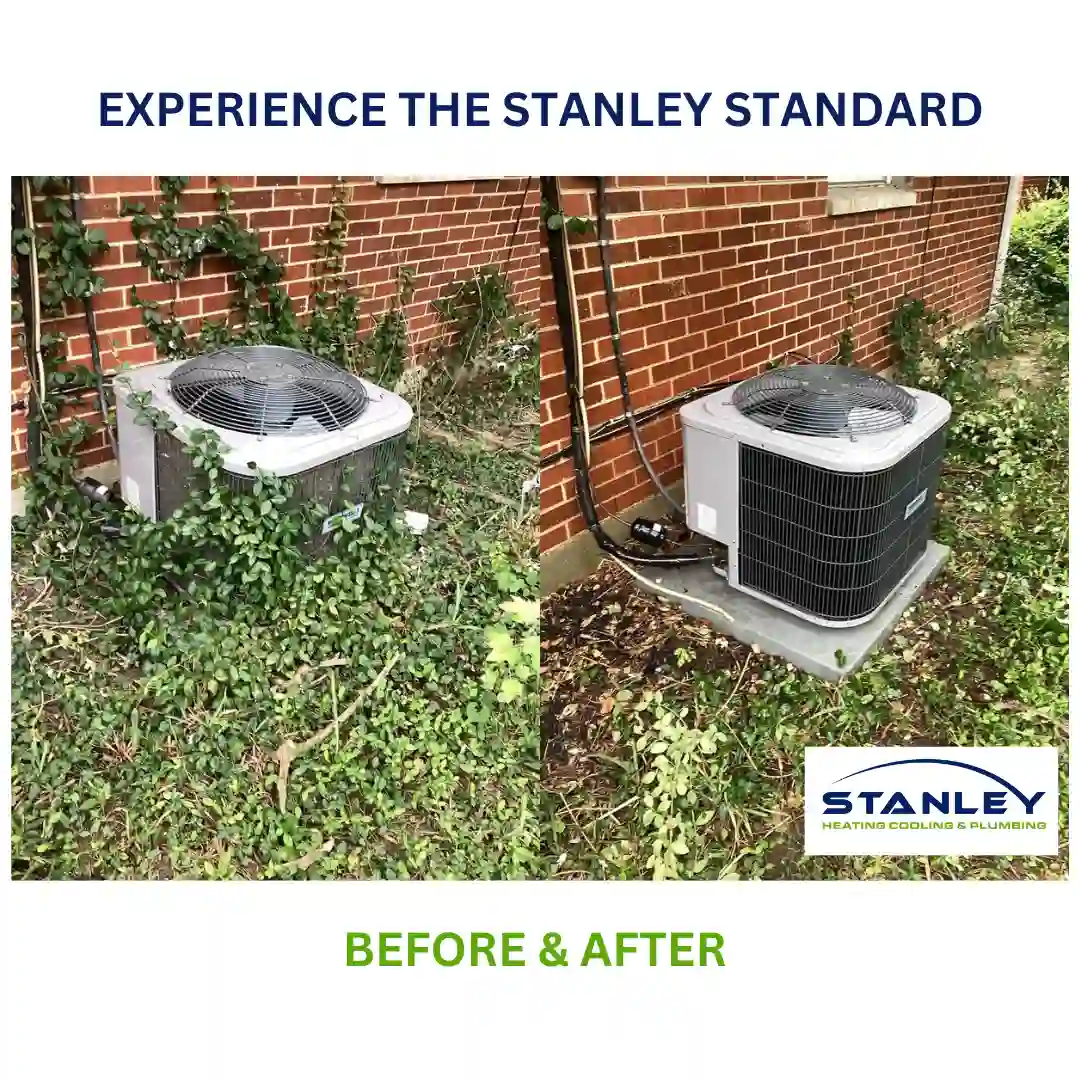
Side-by-side photos of an outdoor air conditioning unit: left shows it overgrown with vines—an example of AC not cooling; right shows it cleared and neat. Text reads, Experience the Stanley Standard. Before & After.

Why Is My AC Running But Not Cooling?

If your air conditioner is running but your home still feels hot and muggy, you’re not alone. Many homeowners in Dayton, OH face this frustrating issue during the height of summer. You hear the hum of your system, feel air blowing through the vents, but it’s not cold.

This common problem can stem from several causes, ranging from minor maintenance issues to serious mechanical failures. Understanding the reasons behind an ineffective air conditioner can help you make informed decisions and know when to call for air conditioning repair.

This in-depth guide explores why your AC might be running but not cooling, how to troubleshoot the problem safely, and when to rely on professional help.

Understanding How Your Air Conditioner Works

To identify what’s wrong, it’s helpful to know how an AC system is supposed to function.

Your air conditioner works by:

  1. Drawing warm air from inside your home.
  2. Passing that air over evaporator coils, where the refrigerant absorbs the heat.
  3. Sending the cooled air back into your home through ducts.
  4. Releasing the absorbed heat outside through the condenser unit.

If any part of this process breaks down, such as restricted airflow, low refrigerant, or dirty coils, your AC will keep running but won’t cool your home effectively.

Common Reasons Your AC Is Running But Not Cooling

There’s no single reason this happens. The problem could be as simple as a dirty air filter or as complex as a compressor failure. Below are the most common culprits Dayton homeowners should look for.

1. Incorrect Thermostat Settings

It may sound simple, but the thermostat is often the first place to check.

Check these settings first:

  • Make sure the system is set to “Cool” and not just “Fan.”
  • Verify that the temperature is set lower than the current indoor temperature.
  • Replace old batteries or recalibrate the thermostat if needed.

If your thermostat is malfunctioning or not communicating correctly with your HVAC system, it can cause your AC to run without cooling your home.

2. Dirty or Clogged Air Filters

Air filters play a critical role in maintaining airflow through your HVAC system. When they become clogged with dust, pet hair, or pollen, they restrict air circulation and cause your AC to overwork.

This can lead to:

  • Weak airflow from vents
  • Ice buildup on coils
  • Higher energy consumption
  • Uneven cooling

Solution: Replace your filter every 1–3 months, depending on use and indoor air quality.

Regular filter maintenance is one of the easiest ways to avoid unnecessary air conditioning repair calls.

3. Dirty Condenser Coils

Your outdoor condenser coils are responsible for releasing the heat your system removes from your home. When these coils get covered in dirt, grass, or debris, they can’t perform efficiently, leading to reduced cooling capacity.

Signs of dirty coils include:

  • Warm air blowing from vents
  • Long cooling cycles
  • Higher electricity bills

Tip: Gently rinse the outdoor coils with a garden hose once or twice a year. Avoid high pressure, which could bend the fins.

4. Low Refrigerant Levels

Refrigerant is the chemical that absorbs heat from inside your home. If your AC is low on refrigerant, it can’t remove enough heat to cool your air effectively.

Low refrigerant is usually caused by a leak, not by normal use.

Signs of a refrigerant leak:

  • Warm or lukewarm air from vents
  • Hissing or bubbling noises near the unit
  • Ice on the evaporator coils
  • High humidity indoors

Because refrigerant handling requires EPA certification, homeowners should never attempt to refill it themselves. A professional technician can locate and repair the leak before recharging the system.

5. Frozen Evaporator Coil

When airflow is restricted or refrigerant is low, the evaporator coil can freeze. Ice buildup prevents it from absorbing heat, leaving your AC running continuously without cooling.

How to fix it:

  • Turn off the system to let the coil thaw.
  • Check and replace dirty filters.
  • Call a professional if freezing happens repeatedly.

Ignoring a frozen coil can cause severe compressor damage, leading to costly repairs.

6. Leaky or Damaged Ductwork

Even if your air conditioner is working properly, cooled air may be escaping before it reaches your living spaces.

Leaky ducts are a common but often overlooked cause of poor cooling.

Warning signs include:

  • Uneven temperatures between rooms
  • Reduced airflow
  • Higher-than-normal energy bills

Professional duct inspection and sealing can improve airflow, efficiency, and comfort throughout your home.

7. Faulty Compressor

The compressor is the heart of your air conditioning system. It pressurizes the refrigerant and helps move it through the coils. When it fails, the system may still run, but it won’t cool.

Common causes of compressor failure:

  • Electrical problems
  • Refrigerant issues
  • Overheating due to dirty coils or filters

A failed compressor usually requires professional air conditioning repair or replacement.

Chart: Common AC Problems, Causes, and Solutions

Problem Symptoms DIY Fix Possible? When to Call a Technician
Thermostat Setting Error AC runs, air is warm Yes If replacement needed
Dirty Air Filter Weak airflow, ice buildup Yes If the recurring issue persists
Dirty Condenser Coils Warm air, long cooling cycles Yes If severe buildup
Low Refrigerant Hissing noise, poor cooling No Always (requires license)
Frozen Evaporator Coil Ice visible, little airflow No If the coil keeps freezing
Leaky Ductwork Uneven cooling, high bills No For professional sealing
Faulty Compressor AC runs, no cool air No Immediate repair/replacement

This chart gives homeowners a quick reference for understanding whether their cooling issue can be addressed on their own or if it’s time for professional service.

The Role of Humidity in Cooling Problems

Humidity levels in Dayton, OH can climb quickly during summer, making cooling even harder. High indoor humidity can make the air feel warmer and reduce comfort, even when your AC is technically running correctly.

Your air conditioner naturally removes moisture from the air while cooling, but if it’s undersized or struggling, it may not dehumidify efficiently.

Solutions include:

  • Ensuring your AC is the right size for your home.
  • Scheduling maintenance to keep coils clean.
  • Use a whole-home dehumidifier for extra moisture control.

Electrical Issues and Sensor Malfunctions

If your AC is running but not cooling, electrical or control board problems could be the culprit. Faulty wiring, tripped breakers, or blown fuses can disrupt the cooling cycle without completely shutting down the unit.

Additionally, if the temperature sensor near the evaporator coil is misaligned, it may cause your system to behave erratically, turning on without cooling or cycling too often.

These are complex issues best handled by a qualified HVAC technician.

Preventive Maintenance: The Key to Avoiding Cooling Problems

The best way to prevent your AC from running without cooling is to invest in regular maintenance.

A professional HVAC tune-up typically includes:

  • Cleaning or replacing filters
  • Inspecting and cleaning coils
  • Checking refrigerant levels and pressure
  • Lubricating moving parts
  • Testing thermostat accuracy
  • Verifying airflow and duct integrity

For Dayton homeowners, scheduling maintenance in the spring ensures your system is ready for the heat of summer.

How Long Does Air Conditioning Repair Take?

Repair times vary based on the issue:

  • Minor repairs like capacitor or thermostat replacements: 1–2 hours
  • Refrigerant leaks or coil replacements: several hours
  • Compressor replacements: 1–2 days (including part procurement)

Quick action is crucial. Delaying repairs can worsen problems and lead to higher costs down the line.

Cost vs. Value: When to Repair or Replace

If your AC is more than 10–15 years old, frequent breakdowns or poor performance may indicate it’s time for replacement.

Consider replacing if:

  • Repair costs exceed 50% of the value of a new unit.
  • Your energy bills are consistently high.
  • The system uses outdated R-22 refrigerant.

Modern systems are far more energy-efficient, offering long-term savings on utility costs while improving comfort.

One Call Can Restore Your Comfort

If your air conditioner is running but not cooling, you don’t have to endure another uncomfortable day. The trusted professionals at Stanley Heating Cooling and Plumbing provide reliable air conditioning repair throughout Dayton, OH and the surrounding areas.

Located at 2019 Dryden Rd, Moraine, OH 45439, and available by phone at (937) 902-1874, Stanley’s experienced technicians are ready to diagnose your AC issue quickly and restore cool comfort to your home. Whether it’s a clogged filter, low refrigerant, or a failing compressor, they’ll deliver fast, dependable service you can count on.

When your AC runs but doesn’t cool, it’s often a symptom of an underlying issue, ranging from simple maintenance problems to more complex mechanical failures.

Start with the basics: check your thermostat, filters, and outdoor unit. If these don’t solve the problem, it’s time to call a trusted HVAC professional for expert diagnosis and repair.

For homeowners in Dayton, OH, timely maintenance and professional air conditioning repair not only restore comfort but also protect your system’s longevity and efficiency.

Keep your home cool, your energy bills low, and your peace of mind intact, because your comfort truly depends on a well-functioning AC system.

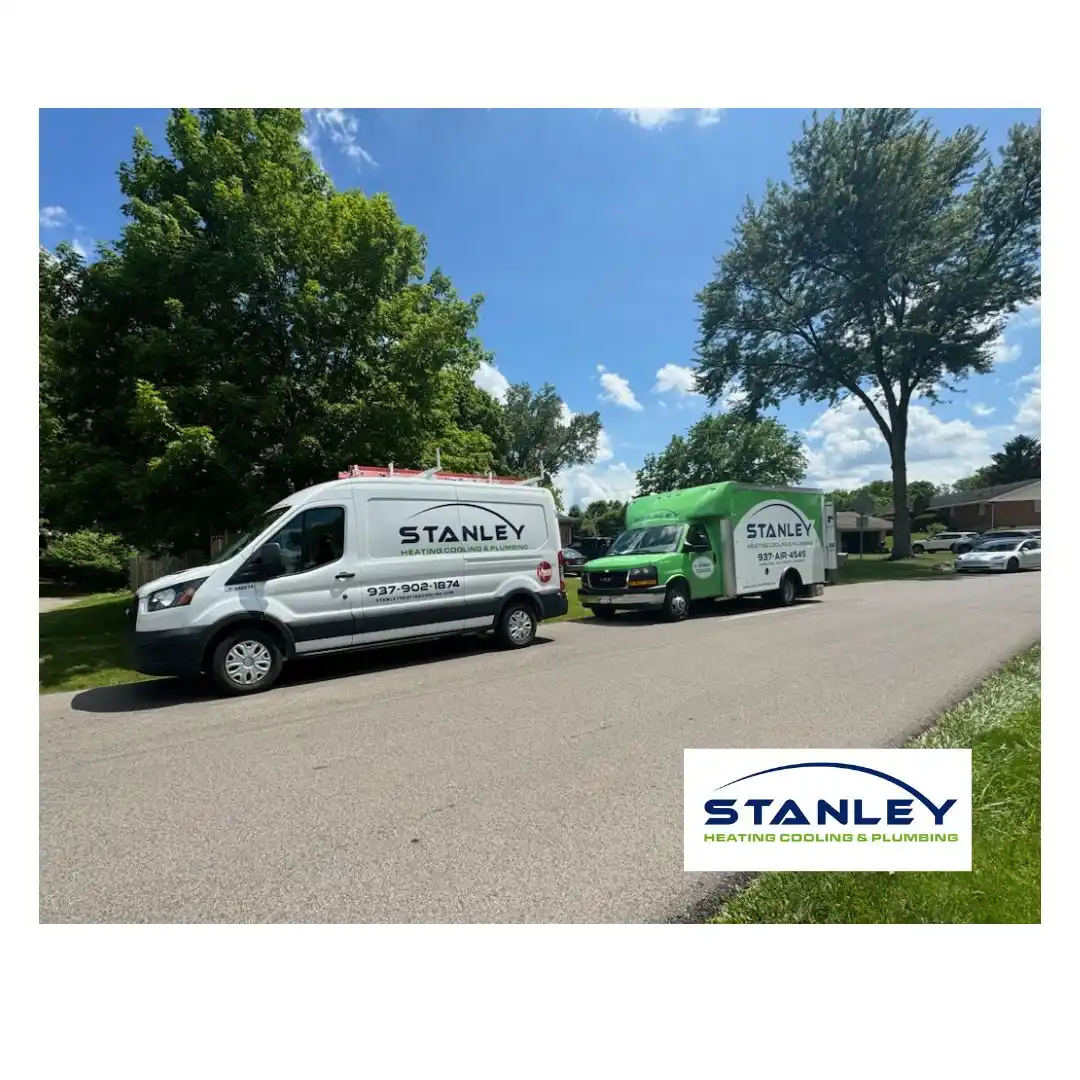
Two Stanley Heating, Cooling & Plumbing service vans, one white and one green, are parked on a suburban street with trees and houses in the background under a sunny sky—ready to help with any AC unit repair. The Stanley logo appears in the bottom right corner.

What Is the Most Expensive Repair on an AC Unit?

When your air conditioner breaks down in the middle of summer, it can be more than just uncomfortable; it can be costly. Homeowners in Dayton, OH often wonder which air conditioning repair is the most expensive and what they can do to avoid it. Understanding the causes, warning signs, and prevention strategies behind major AC repairs helps you make smarter, more cost-effective choices for your home comfort system.

Let’s explore which air conditioner repair tops the cost list, why it happens, and how regular care can protect your system and your wallet.

The Compressor: The Heart of Your AC System

The compressor is often the most expensive component to repair or replace in an air conditioning system. Known as the “heart” of your AC, it circulates refrigerant between the indoor and outdoor coils, enabling the system to remove heat from your home.

When the compressor fails, the entire cooling process stops,   and unfortunately, fixing it can be complex and time-intensive.

Why Compressor Repairs Cost More

Compressor work is costly because of three key reasons:

  • Technical complexity: The compressor is a high-pressure mechanical part that requires precision work from a licensed technician.
  • Labor intensity: Replacing or repairing it involves removing refrigerant, reconnecting wiring, and ensuring perfect system balance.
  • System compatibility: New compressors must match your existing coil and refrigerant type, sometimes requiring additional updates or conversions.

Warning Signs of Compressor Trouble

If your air conditioner shows any of the following symptoms, it may be a sign the compressor is struggling:

  • Warm air is coming from your vents even when the thermostat is set to “cool.”
  • The outdoor unit shakes or makes loud clanking or humming noises.
  • The circuit breaker keeps tripping when the AC starts.
  • The system runs constantly but doesn’t lower indoor temperatures.

If these issues arise, it’s important to contact an HVAC professional right away. Delaying service can turn a small issue into a complete compressor failure,   the most expensive scenario to fix.

Other Costly Air Conditioning Repairs

While the compressor leads the list, several other air conditioner repairs can also be expensive due to part costs and technical difficulty. Here are some of the most common.

Evaporator Coil Replacement

The evaporator coil is located inside your indoor unit and is responsible for absorbing heat from your home’s air. When it leaks, corrodes, or becomes clogged, the system can no longer cool properly.

In some cases, an evaporator coil can be repaired, but severe corrosion or refrigerant loss often means full replacement is necessary.

Condenser Coil Issues

The condenser coil, found in the outdoor unit, releases the heat collected inside your home. Dirt, debris, or corrosion can reduce efficiency and cause overheating. If cleaning or minor repairs don’t restore performance, coil replacement may be required, which can be a major job.

Refrigerant Leaks

Refrigerant is vital for your AC’s cooling cycle. When a leak develops, it not only reduces cooling power but can also cause damage to the compressor and other parts.

Older systems using outdated refrigerants can be particularly expensive to recharge or convert. Modern systems use newer, more environmentally friendly refrigerants, but finding and repairing leaks can still take significant time and labor.

Electrical Failures

Your air conditioner’s circuit board and wiring ensure all components communicate and operate safely. When these electrical parts fail, your AC may not start, cycle properly, or respond to thermostat commands. Electrical issues can be difficult to diagnose and often require professional replacement or rewiring.

Motor and Fan Repairs

The blower motor and condenser fan motor keep air moving through your system. If either fails, airflow drops dramatically, and your AC can overheat. Though generally less expensive than compressor repairs, motor work still requires skilled labor and quality parts to restore performance.

Cost Comparison: Common AC Repair Types

The following chart compares different types of AC repairs by general cost impact and severity (without specific dollar amounts):

AC Repair Type Relative Cost Impact Severity Level
Compressor Replacement Very High Critical
Evaporator Coil Replacement High Serious
Condenser Coil Replacement High Serious
Refrigerant Leak Repair Moderate to High Moderate to Serious
Blower Motor Replacement Moderate Moderate
Electrical Board Repair Moderate to High Serious
Thermostat Replacement Low Minor
Capacitor Replacement Low Minor

This table shows that while the compressor leads the pack in cost and importance, several other components can also create expensive service calls if neglected.

What Makes Some AC Repairs More Expensive Than Others?

Even if two homeowners in Dayton, OH experience the same AC problem, their repair costs might differ. Here are the main factors that influence those differences:

System Age

Older systems typically require more extensive repairs. Parts may be harder to find, and some older refrigerant types are now discontinued, requiring system modifications.

Unit Brand and Type

Higher-end or variable-speed systems have more complex components that can take longer to diagnose and service. In some cases, specific parts are only available from the original manufacturer.

Labor and Accessibility

If your outdoor unit is difficult to access or the indoor system is located in a tight attic or crawl space, technicians may need more time to complete the job. That additional labor increases total repair time.

Warranty Coverage

Manufacturer warranties can sometimes cover major parts like compressors or coils. However, most warranties don’t include labor, which can still account for a significant portion of the final bill.

Extent of the Damage

A small issue, such as a loose wire or clogged filte,r can be fixed quickly, but once damage spreads to multiple components, repairs become more time-consuming and complex.

When Repairs Stop Making Sense: Knowing When to Replace

In some cases, even the best air conditioning repair may not be the smartest long-term decision. If your system is nearing the end of its lifespan or has a history of repeated breakdowns, replacement may offer better value.

Signs It Might Be Time to Replace Your AC

  • The unit is more than a decade old.
  • Energy bills keep increasing despite regular maintenance.
  • You’ve had multiple repair visits in the same season.
  • Your home isn’t cooling evenly, even after professional servicing.

Modern air conditioners are designed to be far more energy-efficient, quiet, and environmentally responsible. A new unit can help reduce long-term energy expenses while ensuring consistent comfort throughout your home.

How to Prevent Expensive AC Repairs

Avoiding major repair costs starts with proper maintenance and attention to small details. Many of the most expensive breakdowns occur because minor issues were ignored for too long.

Schedule Preventive Maintenance

Having your system inspected by a professional at least once a year is the best way to catch early signs of trouble. During a tune-up, the technician checks refrigerant levels, inspects coils, tightens electrical connections, and cleans key components.

Change Air Filters Regularly

A clogged air filter restricts airflow and makes the compressor and fans work harder, shortening their lifespan. Replace filters every one to three months, especially during heavy use periods.

Keep Outdoor Units Clean

Grass clippings, leaves, and dust can clog the outdoor condenser unit, preventing proper heat release. Clear at least two feet of space around the unit to maintain efficient operation.

Monitor Your System’s Performance

Unusual noises, reduced airflow, or inconsistent cooling are signs that something’s wrong. Calling for service right away can prevent a simple issue from becoming a major repair.

Seal Duct Leaks

Leaky ducts allow cooled air to escape, forcing your AC to run longer and increasing wear and tear. Have your ducts inspected periodically to ensure efficient operation.

Trusted HVAC Service Is Just a Phone Call Away

When you need reliable air conditioning repair in Dayton, OH, trust the professionals who know your comfort matters most. Stanley Heating Cooling and Plumbing delivers expert service, honest recommendations, and dependable solutions that keep your home comfortable year-round.

Call Stanley Heating Cooling and Plumbing today at (937) 902-1874, or visit them at 2019 Dryden Rd, Moraine, OH 45439. Trusted HVAC service is just a phone call away,   and your comfort is always their priority.

The compressor stands as the most expensive repair on an air conditioning unit, but it doesn’t have to become your reality. With regular maintenance, early detection, and trusted local professionals, you can extend your AC system’s lifespan and avoid unexpected repair bills.

For Dayton, OH homeowners, staying proactive is the key to affordable comfort,   keeping your home cool, your energy use efficient, and your peace of mind intact all summer long.