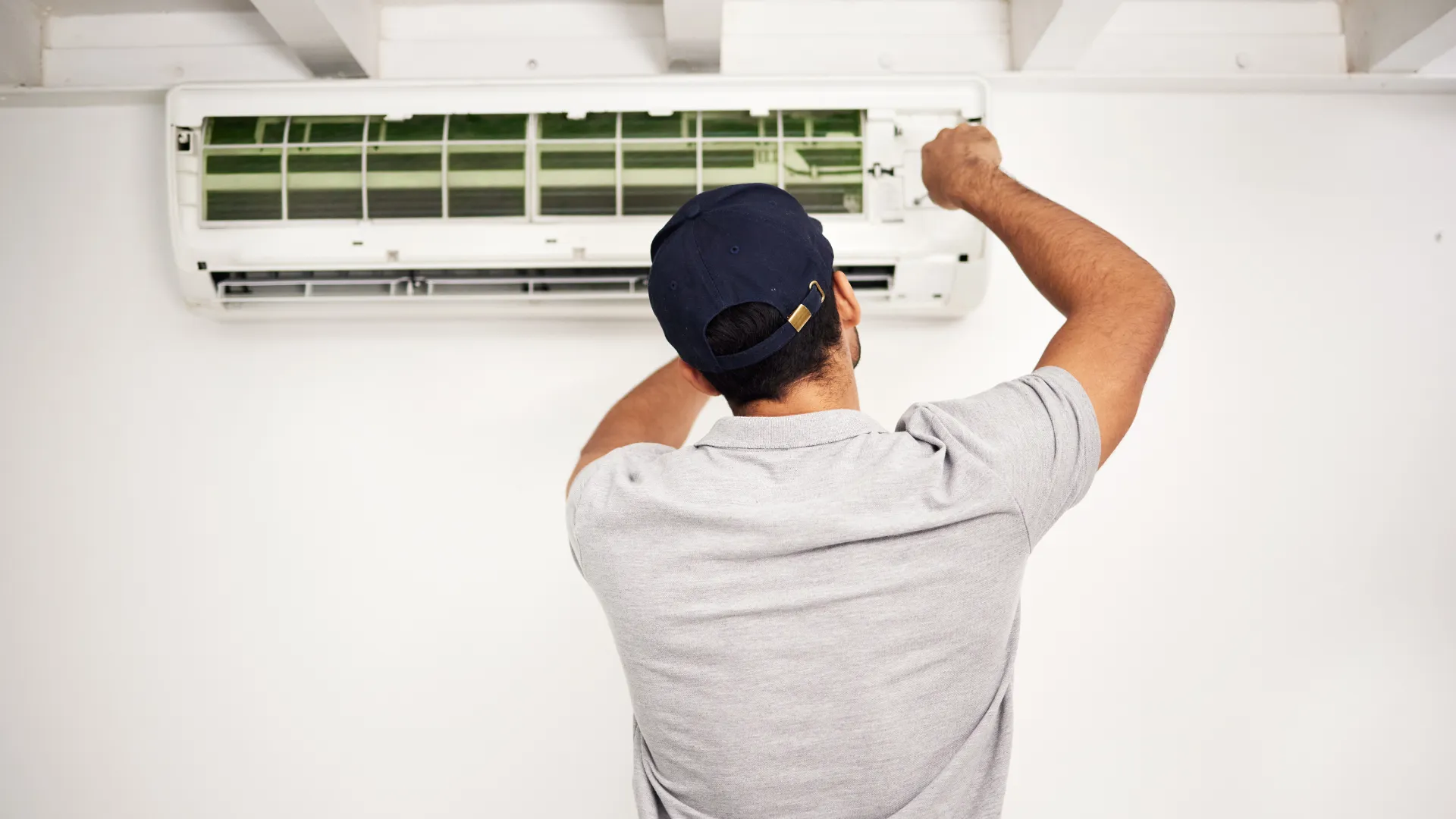
A person in a gray polo shirt and navy cap is servicing or repairing a wall-mounted air conditioner, with the cover open and tools in hand, facing the unit against a white wall.

What Is the Most Common AC Repair?

When summer temperatures rise in Moraine, OH, your air conditioner becomes one of the most important appliances in your home. But like any mechanical system, your AC unit isn’t immune to problems. Understanding what causes air conditioning issues and which repairs are most common can help you catch small problems early before they lead to major breakdowns.

Let’s take a closer look at the most common air conditioning repair issues, what causes them, how to spot the warning signs, and how to keep your system running efficiently throughout the hot Ohio summers.

The Most Common Air Conditioning Repair: Refrigerant Leaks

Among all AC repair calls, refrigerant leaks top the list. Refrigerant is the lifeblood of your cooling system; it’s the substance that absorbs heat from your indoor air and releases it outside. When refrigerant levels drop because of a leak, your system’s ability to cool your home is severely reduced.

What Causes Refrigerant Leaks

Refrigerant leaks can develop over time due to:

  • Corrosion of metal coils and joints
  • Improper installation or factory defects
  • Physical damage to refrigerant lines
  • Vibrations cause wear on fittings or connections

Signs of a Refrigerant Leak

If you notice any of the following signs, it’s time to schedule air conditioning repair:

  • The AC blows warm or only slightly cool air
  • Ice forms on the evaporator coil or refrigerant lines
  • You hear hissing or bubbling sounds near the unit
  • Energy bills rise without explanation
  • The system takes much longer to cool your home

Why Refrigerant Leaks Need Immediate Repair

Running your air conditioner with low refrigerant can cause the compressor to overheat and fail, a costly issue that often requires replacement. A professional HVAC technician can locate the leak, repair the damaged section, and recharge the system with the correct refrigerant level.

Other Common AC Repairs Homeowners in Moraine, OH Face

While refrigerant leaks are the most common repair, they’re far from the only issue homeowners encounter. Understanding other frequent AC problems can help you recognize them early and prevent major failures.

Frozen Evaporator Coils

When airflow is restricted or refrigerant levels are low, the evaporator coil can freeze over. This reduces cooling efficiency and may eventually cause the system to shut down.
Typical causes include:

  • Dirty air filters
  • Blocked air ducts or vents
  • Low refrigerant
  • Faulty blower fans

To avoid this, check your air filter monthly and replace it when dirty. Also, keep vents clear of furniture and dust buildup.

Dirty Condenser Coils

Your outdoor unit expels heat through the condenser coil. When the coil becomes covered with dirt, grass, or debris, heat transfer slows down, forcing your AC to work harder and longer.
Symptoms include:

  • Reduced cooling output
  • Higher electricity usage
  • The outdoor unit is running constantly

Regularly rinsing the outdoor unit with a garden hose (after turning off the power) can help maintain efficiency between professional tune-ups.

Worn Electrical Components

Every air conditioner relies on electrical parts like capacitors, contactors, and relays. Over time, these parts wear out from constant use and exposure to heat.
Common warning signs include:

  • Clicking noises when starting or stopping the unit
  • The AC is not turning on at all
  • The system is shutting off unexpectedly

A trained technician can safely replace faulty electrical components and restore reliable performance.

Clogged Condensate Drain Line

As your AC removes humidity from indoor air, it produces condensation that flows through a drain line. If this line clogs, water can back up into the system and cause leaks, mold, or even ceiling damage.
Prevention tips:

  • Have the drain line flushed during seasonal maintenance
  • Pour a small amount of vinegar solution down the line once a month to prevent algae growth

Malfunctioning Thermostat

Sometimes what seems like a cooling problem is actually a thermostat issue. Older thermostats or those with low batteries can send incorrect signals to your AC.
Check for:

  • Inaccurate temperature readings
  • The system is not responding to settings
  • Short cycling (frequent starts and stops)

Upgrading to a modern programmable or smart thermostat can improve comfort and reduce energy waste.

Chart: Most Common Air Conditioning Repairs in Moraine, OH

AC Issue Frequency Typical Cause Estimated Repair Impact
Refrigerant Leaks High Corrosion, loose connections Major cooling loss
Frozen Evaporator Coil High Airflow restriction, low refrigerant System shutdown
Dirty Condenser Coils Moderate Outdoor debris, dust accumulation Reduced efficiency
Electrical Component Failure Moderate Wear and tear, overheating Sudden AC failure
Clogged Condensate Drain Moderate Mold or debris buildup Water leakage
Faulty Thermostat Low Aging or miscalibration Inconsistent cooling

Preventive Maintenance: The Best Way to Avoid Costly Repairs

While you can’t completely prevent every issue, regular maintenance is the most effective way to extend the life of your air conditioner and minimize repair costs.

Seasonal Tune-Ups Matter

Professional HVAC inspections should be done at least once per year, ideally in spring before the heavy cooling season. A technician will:

  • Clean coils and drains
  • Check refrigerant levels
  • Test electrical connections
  • Inspect ductwork and airflow
  • Calibrate the thermostat

This proactive care ensures your AC runs efficiently when you need it most.

Homeowner Maintenance Checklist

Between professional visits, you can help your system run smoothly by:

  • Replacing air filters every 1–3 months
  • Keeping indoor vents open and unblocked
  • Ensuring the outdoor unit is clear of debris
  • Monitoring for unusual sounds or odors
  • Setting the thermostat to consistent temperatures

These simple tasks go a long way toward preventing small issues from turning into costly breakdowns.

When to Call for Professional Air Conditioning Repair

It’s tempting to delay service when your AC still works “well enough,” but minor problems can escalate quickly. You should call a professional HVAC technician if you notice:

  • Weak airflow from vents
  • Warm air despite the thermostat being set low
  • Unusual noises like rattling or buzzing
  • Ice on coils or water pooling near the unit
  • Constant cycling on and off

Prompt repairs not only prevent major damage but also help maintain consistent comfort and lower utility bills.

The Role of Professional Diagnosis in AC Repair

Modern air conditioning systems are complex, combining electrical, mechanical, and refrigerant components that must work together precisely. Accurate diagnosis is essential to ensure repairs address the root cause, not just the symptoms.

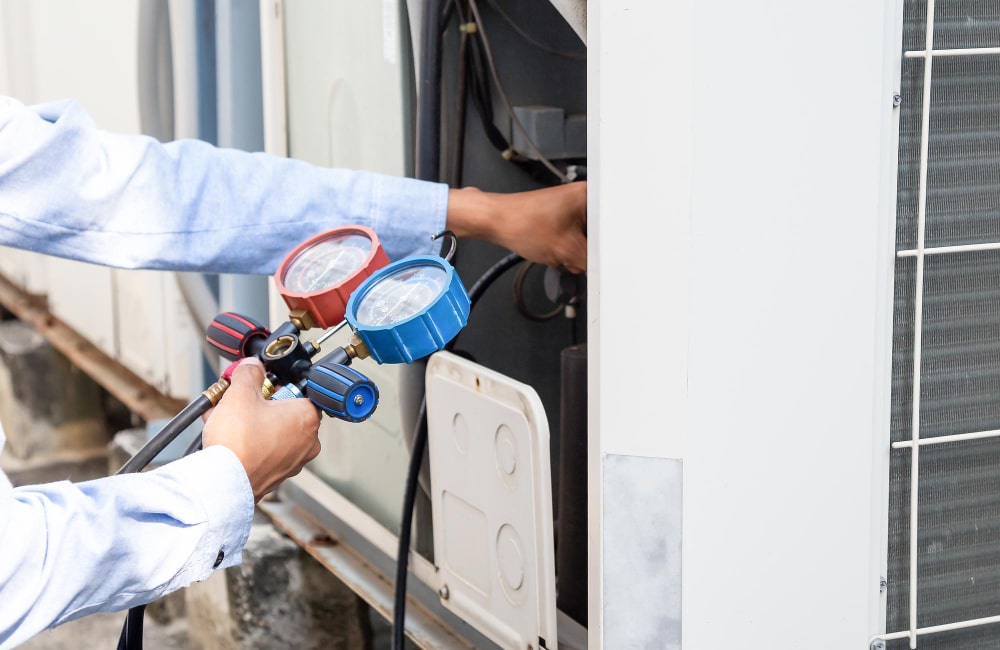
Technicians use specialized tools to measure pressures, test voltage, and assess airflow. This data-driven approach leads to faster, more reliable solutions that save homeowners time and money.

How Environment and Age Affect Air Conditioning Systems in Moraine, OH

Homes in Moraine, OH face seasonal temperature swings, from humid summers to cold winters, that can strain HVAC systems. Frequent cycling, dust from nearby construction, and Ohio’s high humidity all contribute to wear and tear.

Older systems (typically 10–15 years or more) may experience:

  • Reduced refrigerant efficiency
  • Worn-out compressors or fans
  • Obsolete parts that are harder to replace

If your system requires frequent repairs, a replacement may be more cost-effective in the long run.

Your HVAC Solutions Begin with a Conversation

When your AC struggles to keep up with the Moraine heat, trust Stanley Heating Cooling and Plumbing to restore comfort quickly and affordably. Their experienced team provides reliable air conditioning repair and maintenance to keep your system running smoothly year-round.

Whether it’s a refrigerant leak, frozen coil, or thermostat malfunction, Stanley’s technicians have the knowledge and tools to diagnose and fix any issue with precision.

Stanley Heating Cooling and Plumbing ,  Phone: (937) 902-1874, Address: 2019 Dryden Rd, Moraine, OH 45439.

Stay Ahead of AC Problems

The most common air conditioning repair, refrigerant leaks, can often be avoided through proper maintenance and early detection. Homeowners in Moraine, OH, who schedule routine HVAC tune-ups and respond quickly to warning signs can extend their system’s lifespan and enjoy consistent comfort all season long.

By partnering with trusted professionals like Stanley Heating Cooling and Plumbing, you’ll gain peace of mind knowing your cooling system is ready for whatever the Ohio summer brings.
 

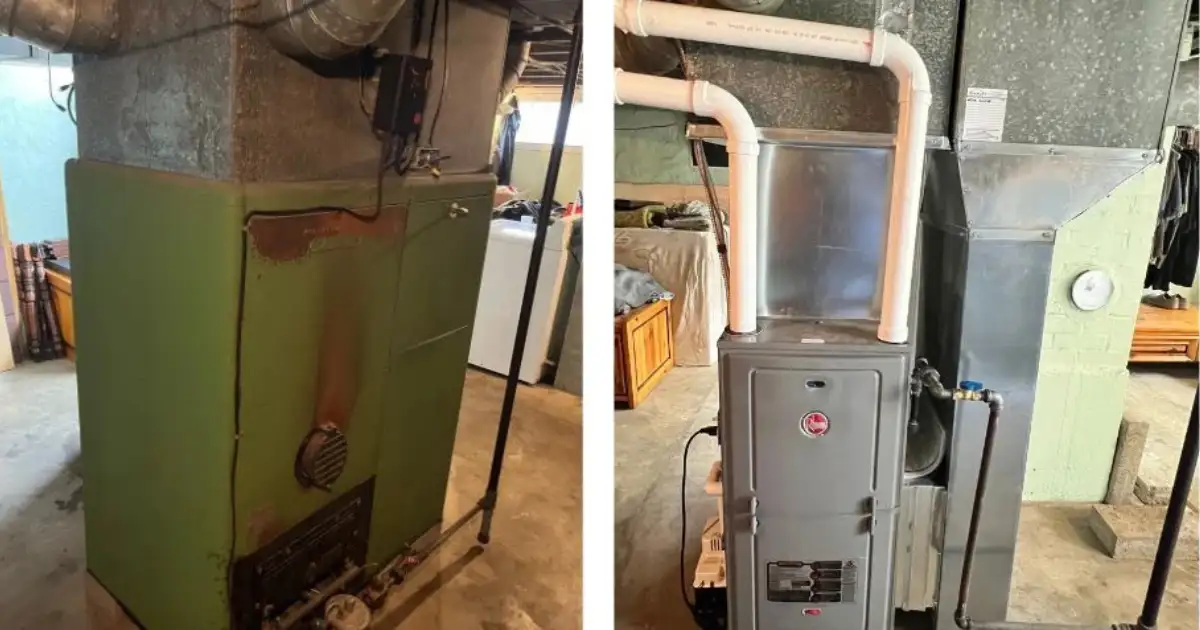
Side-by-side images show an old, rusted green furnace before furnace replacement Dayton and a new, efficient gray model after installation—highlighting how upgrading improves reliability and lowers long-term furnace cost.

Which Is Cheaper in Dayton: Repairing an Old Furnace or Replacing It?

In Dayton, repairing a furnace typically costs $140 to $400, with average repairs landing around $270. Emergency or after-hours service can increase totals to $300 to $1,200, depending on the severity and timing of the issue. A full furnace replacement is a larger investment, usually $3,500 to $10,000, with most homeowners spending $4,800 to $7,500 on a new system.

The cheaper option depends on the age, condition, and efficiency of your furnace. At Stanley Heating Cooling & Plumbing, we provide side-by-side repair and replacement estimates so Dayton homeowners can make the most cost-effective choice.

See your exact price in minutes. Request your free quote today!

When Repairs Are the Cheaper Choice

Repairs often make sense when the furnace is still relatively new and issues are minor:

  • The system is under 10 years old with no history of major breakdowns.
  • Repair costs are well under 30% of a new unit’s price.
  • Problems involve smaller components like ignitors, thermostats, or filters.
  • The furnace still provides even heating, and energy bills remain stable.

For many homeowners in Belmont, Shroyer Park, and Old North Dayton, a simple repair can restore comfort quickly without straining the budget.

When Replacing Saves More in the Long Run

Replacement is usually the smarter investment if:

  1. Your furnace is 15 years or older. ENERGY STAR recommends evaluating replacement at this point.
  2. You face a major repair, such as a cracked heat exchanger or blower failure.
  3. Utility bills keep rising despite regular maintenance.
  4. The system produces uneven heating or constant noise.

Modern high-efficiency furnaces are up to 15% more efficient than standard models and can save Dayton homeowners around $120 per year in energy costs.


How to Decide: Repair or Replace?

Follow these steps to make a smart decision:

  1. Check the age. If your furnace is over 15 years old, replacement is often recommended.
  2. Compare repair costs. If a repair exceeds 30% of the replacement cost, a new unit is the better investment.
  3. Review your bills. Rising heating costs signal reduced efficiency.
  4. Get professional input. Stanley’s technicians provide written estimates for both repair and replacement.

Why Dayton Chooses Stanley Heating, Cooling & Plumbing

  • Locally owned and operated since 2005, serving the Miami Valley.
  • A+ BBB Accredited since 2009 with 20 years of business history.
  • Named among Dayton’s Best AC Repair Services by Expertise.com in May 2025.
  • Flat-rate pricing with no hidden charges.
  • Same-day service and 24-hour live answers for emergencies.


Service Coverage Across Dayton and Montgomery County

Stanley Heating, Cooling & Plumbing provides emergency heating repair and installation in:

  • Dayton neighborhoods like Belmont, Oregon District, Grafton Hill, and Twin Towers.
  • Nearby cities include Kettering, Huber Heights, Beavercreek, Centerville, Xenia, and Bellbrook.

FAQ: Furnace Repair vs Replacement in Dayton

Is repairing a furnace usually cheaper than replacing it?

  • Yes. Typical repairs cost $140–$400, while replacements are several thousand dollars. Emergency timing increases repair costs.

How long do furnaces last in Ohio?

  • Most furnaces last 15 to 20 years with regular maintenance. ENERGY STAR recommends evaluating replacement once systems reach 15 years.

Can a new furnace lower my energy bills?

  • Yes. High-efficiency furnaces can reduce heating costs by about $120 annually, depending on usage and local rates.

Do you offer financing for replacements?

  • Yes. Flexible financing options are available to help Dayton homeowners spread out the cost.

Can I get emergency heating service after hours?

  • Yes. We offer same-day scheduling and 24-hour live support for urgent calls.


Make the Cost-Effective Choice for Your Home

Whether you need a quick fix or a new high-efficiency system, Stanley Heating Cooling & Plumbing helps Dayton families balance short-term costs with long-term savings.

For fast, reliable service, visit Stanley Heating, Cooling & Plumbing at 2019 Dryden Road, Moraine, OH 45439, call (937) 902-1874, or schedule online at stanleyheatingcooling.com

Call today for same-day service and experience the Stanley Standard trusted across Dayton.

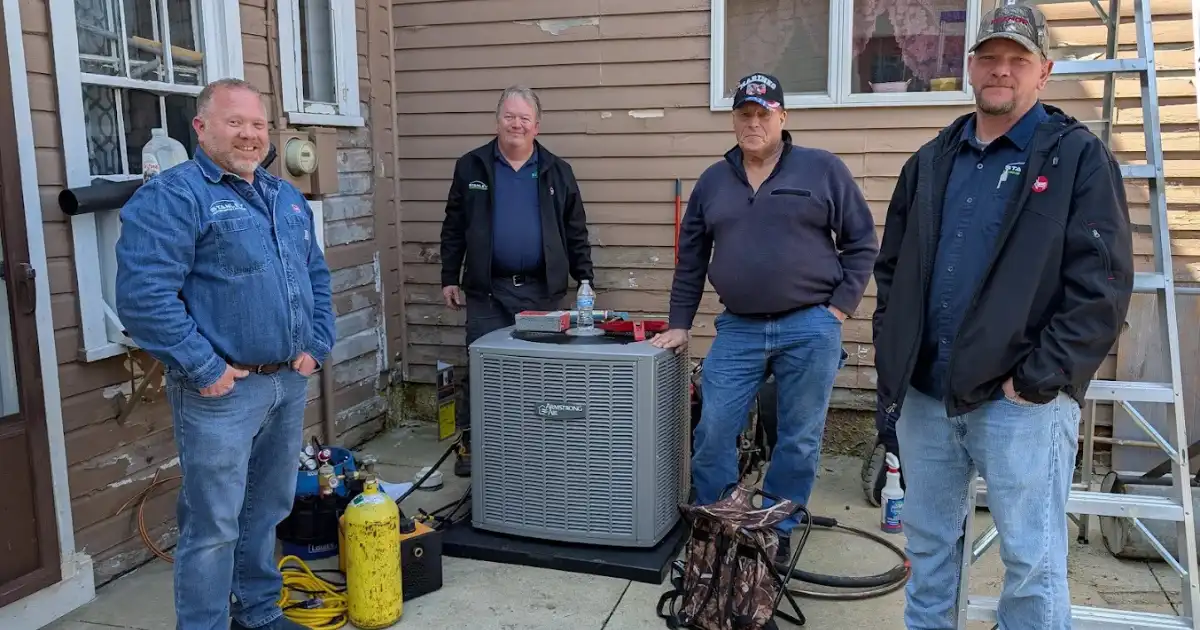
Four men stand outside a house in Dayton OH near a new air conditioning unit and various tools. The house siding is partly repaired, with a metal ladder on the right. They appear ready to handle any emergency heating repair needs.

How Much Does It Cost to Get Emergency Heating Repair in Dayton, OH?

In Dayton, OH, most homeowners spend between $123 and $505 for furnace or heating repairs, with the average cost around $300. Emergency or after-hours service, such as nights, weekends, or holidays, usually adds a surcharge, so the total may range from $150 to $600 depending on the severity of the issue.

At Stanley Heating Cooling & Plumbing, we believe in flat-rate, transparent pricing. You’ll always know the cost before work begins, and our technicians deliver same-day service so you can get your home warm again without delay.

See your exact price in minutes. Request your free quote today!

What Affects the Cost of Emergency Heating Repair?

Several factors influence the total cost of an urgent heating service call in Dayton:

  • Type of repair needed: Small issues like thermostat adjustments or ignitor replacements cost less than blower motor or heat exchanger repairs.
  • Time of service: After-hours and holiday visits add extra fees.
  • System type and age: Gas furnaces, electric heaters, and heat pumps vary in part in terms of costs and labor.
  • Location: Being based on Dryden Road in Moraine allows us to respond quickly to neighborhoods like Belmont, Old North Dayton, and University Row.

Warning Signs You Need Emergency Furnace Repair

Call immediately if you notice:

  • Your furnace won’t turn on, or it only blows cold air
  • Unusual banging, grinding, or rattling sounds
  • Burning odors or a triggered carbon monoxide alarm
  • Rooms heating unevenly
  • A sudden spike in your energy bills

Quick Steps Before You Call

To save time and ensure accurate diagnostics, check the following first:

  1. Verify that your thermostat is set to “Heat,” is above room temperature, and has working batteries.
  2. Check the furnace switch and circuit breaker.
  3. Replace a dirty air filter.
  4. Note unusual noises, smells, or error codes to share with your technician.

Why Dayton Homeowners Trust Stanley Heating, Cooling & Plumbing

For nearly two decades, Stanley Heating Cooling & Plumbing has been the local choice for heating emergencies. Homeowners choose us because:

  • Local and trusted since 2005, with nearly 20 years of service.
  • Same-day emergency service and 24-hour live answers when you need help fast.
  • A+ BBB Accredited business since 2009, demonstrating trust and reliability.
  • Recognized by Expertise.com (2025) as one of the best AC repair services in Dayton.

Service Coverage Across the Miami Valley

We proudly serve homeowners across:

  • Dayton neighborhoods like Belmont, Old North Dayton, Grafton Hill, and the Oregon District
  • Nearby cities include Kettering, Huber Heights, Xenia, Fairborn, Centerville, Beavercreek, and Bellbrook

FAQ: Emergency Heating Repair in Dayton, OH

How fast can a technician arrive?

  • We provide same-day emergency service, often within hours of your call.

Do after-hours calls cost more?

  • Yes, nights, weekends, and holidays typically include a surcharge, but pricing is always disclosed upfront.

Can repairs extend the life of my furnace?

  • Prompt repairs prevent small issues from turning into costly replacements.

Do you repair both gas and electric systems?

  • Yes, we service gas furnaces, electric heaters, and heat pumps.

Do you offer financing for major repairs or replacements?

  • Yes, financing options are available to make large projects more affordable.


Stay Warm With Dayton’s Trusted Heating Experts

When your heat fails, don’t wait. Call Stanley Heating Cooling & Plumbing for reliable emergency heating repair, flat-rate pricing, and nearly 20 years of trusted local service.

For fast, reliable service, visit Stanley Heating, Cooling & Plumbing at 2019 Dryden Road, Moraine, OH 45439, call (937) 902-1874, or schedule online at stanleyheatingcooling.com

Same-day scheduling is available. Call now and experience the Stanley Standard.

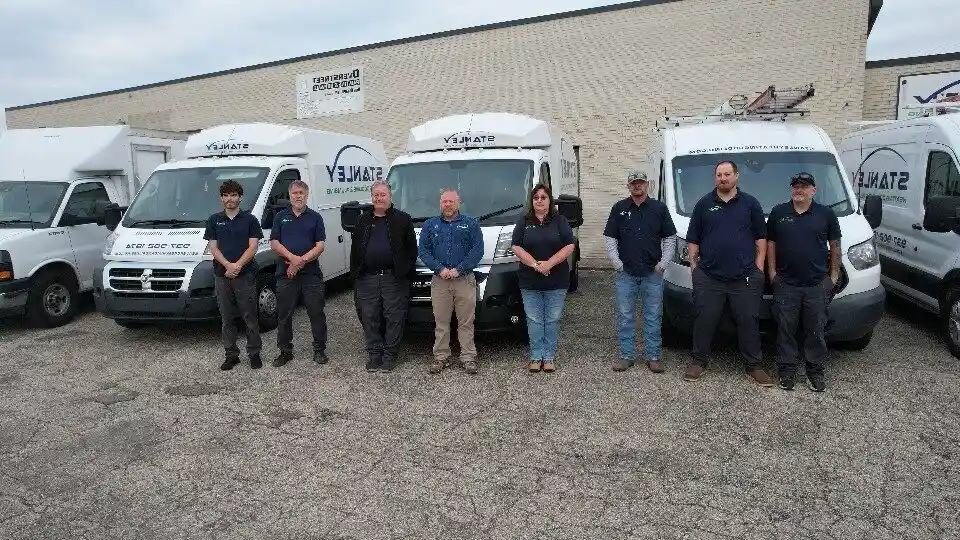
Eight people stand in a row in front of several Stanley HVAC repair vans, posing for a group photo in a parking lot next to a light-colored brick building.

Will Insurance Cover HVAC Repair?

Understanding Insurance Coverage for HVAC Systems

When your furnace or air conditioner breaks down, one of the first questions that comes to mind is: Will my insurance cover the repair? For many homeowners in Dayton, the answer depends on what caused the damage. Insurance companies generally distinguish between sudden, unexpected events and normal wear and tear.

Homeowners insurance is designed to protect you from financial loss due to accidents or disasters, not ongoing maintenance. That means your policy may help pay for HVAC repair or replacement if the damage stems from a covered peril, such as fire, wind, or vandalism. On the other hand, if your system simply wears out over time or fails from lack of maintenance, you’ll likely be paying out of pocket.

What Homeowners Insurance Typically Covers

Covered Perils That Apply to HVAC Systems

Most standard policies include HVAC coverage under dwelling or personal property protection. This usually applies if the system is damaged by:

  • Fire or smoke
  • Storms, including wind and hail
  • Lightning strikes
  • Sudden water damage, such as a burst pipe
  • Vandalism or theft

For example, if a hailstorm in Dayton, OH destroys your outdoor condenser unit, your insurance provider may cover the cost of replacing it after you pay your deductible.

Partial vs. Full Replacement

Insurance companies may choose to repair or replace based on cost and system age. If repairing is more affordable, that may be the option they cover. But if replacement is unavoidable, your policy may fund a new unit of similar type and capacity.

What Insurance Usually Excludes

Normal Wear and Tear

Insurance does not cover HVAC problems caused by aging equipment. A furnace motor burning out after 15 years of use, for instance, is considered a normal expense of homeownership.

Poor Maintenance

Failing to replace air filters, schedule annual inspections, or repair small issues can void coverage. If your insurer can prove that neglect contributed to the breakdown, your claim will likely be denied.

Improper Installation or Gradual Damage

HVAC systems that fail due to incorrect installation or long-term corrosion are excluded from most policies. These situations are classified as preventable rather than accidental.

Filing an Insurance Claim for HVAC Repairs

Filing a claim properly improves your chance of getting repairs covered. Homeowners should follow these steps:

  • Document the damage thoroughly with photos and written notes.
  • Contact your insurance company quickly to open a claim.
  • Have a licensed HVAC technician inspect the damage and provide a written report.
  • Keep receipts for any emergency repair work.
  • Cooperate with the insurance adjuster when they visit your home.

Being prepared and proactive makes it easier to secure coverage and get your system back up and running.

The Role of Maintenance in Protecting Coverage

Why Maintenance Matters

Insurance companies expect homeowners to care for their systems responsibly. Regular upkeep not only extends the life of your equipment but also strengthens your case if you need to file a claim.

Maintenance Tasks That Help Protect Coverage

  • Replace filters every 1–3 months
  • Schedule seasonal tune-ups with an HVAC contractor
  • Check refrigerant levels and thermostats
  • Inspect ductwork for leaks
  • Keep records of service appointments

By maintaining your HVAC system, you ensure that if a sudden event does occur, your insurer cannot deny coverage due to neglect.

Alternatives to Insurance Coverage

Home Warranties

While homeowners insurance covers sudden damage, home warranties often cover breakdowns from normal use. A warranty can help pay for HVAC repair or replacement if parts fail unexpectedly.

Mechanical Breakdown Coverage

Some insurers offer an optional add-on that specifically covers HVAC equipment and other appliances against mechanical failure. This can be worth considering if you want peace of mind beyond traditional homeowners insurance.

Best Practices for Choosing an HVAC Contractor

When insurance covers the repair, your insurer may suggest contractors, but you should still research options. Look for companies that:

  • Are licensed and insured
  • Provide emergency HVAC repair services
  • Offer clear, upfront pricing
  • Specialize in both heating and cooling systems
  • Have experience with insurance-related repairs

Finding the right contractor ensures that your claim moves smoothly and your system is restored quickly.

So, will insurance cover HVAC repair? The answer depends on the cause of the damage, your policy’s details, and your system’s condition. Homeowners insurance typically covers sudden and accidental damage, such as fire or storm destruction, but it excludes normal wear, poor maintenance, and installation errors.

For residents in Dayton, OH, the smartest approach is a combination of regular maintenance, reviewing your policy, and working with a reliable local HVAC contractor. This ensures that whether insurance pays or not, your home stays comfortable year-round.

Expert HVAC Repair Starts with Your Call

When insurance doesn’t cover every situation, having a trusted local HVAC company makes all the difference. Homeowners in Dayton know they can rely on Stanley Heating Cooling and Plumbing for dependable HVAC repair and air conditioning repair services. With a commitment to fast response times and expert workmanship, the team ensures your comfort is restored as quickly as possible.

Stanley Heating Cooling and Plumbing is located at 2019 Dryden Rd, Moraine, OH 45439. You can reach them directly at (937) 902-1874 for service appointments or emergency HVAC assistance.

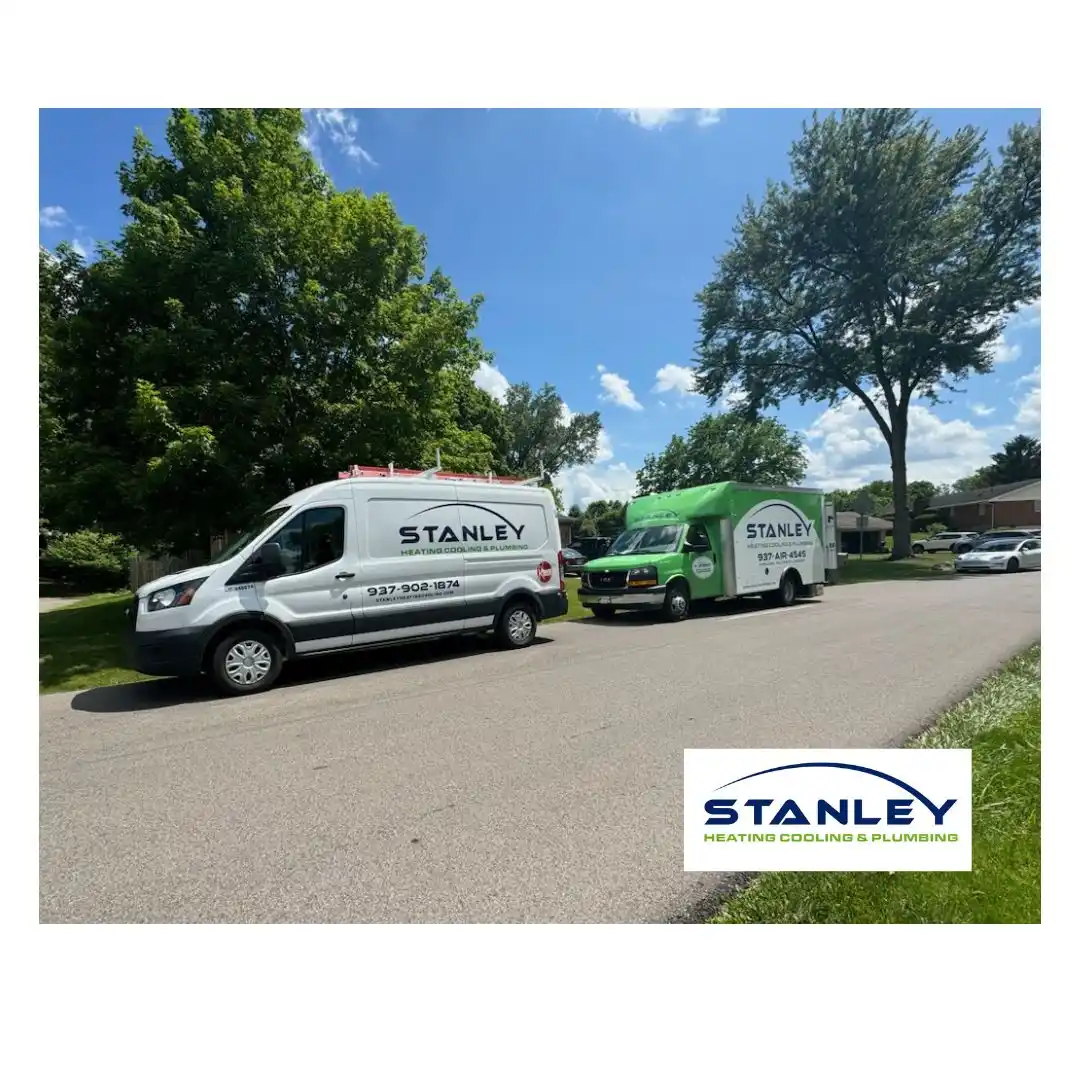
Two Stanley Heating, Cooling & Plumbing service vans, one white and one green, are parked on a suburban street with trees and houses in the background under a sunny sky—ready to help with any AC unit repair. The Stanley logo appears in the bottom right corner.

What is the Average Life Expectancy of an AC Unit?

Understanding the Life Expectancy of an AC Unit

Air conditioners are a long-term investment in your home’s comfort. While every system eventually reaches the end of its lifespan, understanding what influences the average life expectancy of an AC unit can help you plan ahead. Top-rated HVAC repair and consistent maintenance are key to maximizing performance. Homeowners in Moraine often ask how long their air conditioning systems will last, and the truth is, it depends on a variety of factors ranging from installation quality to ongoing care.

Key Factors That Influence AC Longevity

Several critical factors impact how long an AC system can serve your household.

Quality of Installation

A properly installed air conditioner operates more efficiently and faces less strain. Poor installation, on the other hand, may shorten its service life. Hiring skilled technicians ensures the system is sized correctly and connected for optimal airflow.

Frequency of Maintenance

Routine tune-ups are vital. Top-rated HVAC repair specialists check refrigerant levels, clean coils, inspect ductwork, and catch issues before they cause major damage. Consistent upkeep is the best way to extend your AC’s working years.

Usage Patterns

Air conditioners that run constantly in hot climates may experience more wear than those used moderately. Homeowners in Moraine often rely on their AC during summer, and energy-efficient models paired with routine care can withstand this demand better.

Component Quality

From the compressor to the blower motor, the materials and engineering of your unit affect longevity. Premium units may offer longer-lasting parts, while lower-quality systems could need more frequent repairs.

Typical Signs That an AC is Nearing the End

Even with good care, no unit lasts forever. Knowing when your air conditioner is declining helps you decide between repair and replacement.

  • Reduced cooling efficiency or uneven temperatures
  • Frequent need for HVAC repair calls
  • Higher energy bills despite normal use
  • Strange noises or persistent odors from the system
  • Increased humidity indoors

When these symptoms appear consistently, it may be time to consider replacement rather than ongoing repair.

The Role of Top-Rated HVAC Repair

Top-rated HVAC repair services don’t just fix issues when something breaks, they actively extend the life of your system. Skilled technicians ensure proper refrigerant levels, replace worn components, and check airflow balance. In Moraine, reliable air conditioning repair specialists are especially valuable during summer, when your AC works its hardest.

By investing in timely repairs, homeowners can avoid premature system failure and ensure their units run efficiently for many years.

Chart: Factors That Impact AC Lifespan

Below is a simple breakdown showing which factors have the greatest influence on how long your air conditioner lasts:

Factor                  | Impact on Lifespan

————————————————

Quality of Installation | Very High

Routine Maintenance     | Very High

Usage & Climate         | High

System Brand/Model      | Medium

Repair Response Time    | Medium

Air Filter Replacement  | Medium

Ductwork Condition      | Low to Medium


This chart shows that proper installation and consistent maintenance are the two most critical influences on longevity.

How to Extend the Life of Your AC Unit

Schedule Regular Maintenance

Seasonal checkups allow professionals to identify problems before they worsen. Preventive care often costs less than emergency repairs.

Replace Filters on Time

Dirty filters restrict airflow, strain components, and lower efficiency. Replacing them regularly is one of the simplest ways to protect your system.

Keep the Outdoor Unit Clean

Leaves, dirt, and debris around the outdoor condenser unit reduce airflow and efficiency. Keep at least two feet of clearance around it.

Use a Programmable Thermostat

Modern thermostats help reduce unnecessary strain by adjusting temperatures automatically when you’re away from home.

Address Repairs Promptly

Ignoring small issues can lead to costly breakdowns. Reliable HVAC repair ensures minor problems don’t shorten your system’s lifespan.

When Repair is No Longer Enough

While repairs can extend an AC’s life, there comes a point where replacement is the smarter investment. If your unit requires constant service calls or struggles to keep your home comfortable, it may be nearing the end of its lifespan. A new, energy-efficient system not only improves comfort but also reduces long-term costs.

Homeowners in Moraine who work with trusted HVAC companies can receive professional guidance on whether repair or replacement is the best option for their situation.

Reliable HVAC Repair Is One Call Away

When your AC system shows signs of wear, choosing the right company makes all the difference. Stanley Heating Cooling and Plumbing has built a reputation for dependable service, offering both air conditioning repair and complete HVAC solutions. Whether your unit needs maintenance, emergency service, or professional guidance on replacement, Stanley’s team is ready to help.

Located at 2019 Dryden Rd, Moraine, OH 45439, you can reach them at (937) 902-1874 for prompt and professional support. For families in Moraine, Stanley is the trusted choice for keeping homes cool, efficient, and comfortable all year long.

HVAC system

What is the Most Expensive Part of an HVAC System?

What is the Most Expensive Part of an HVAC System?

When your heating and cooling system breaks down, one of the first questions that comes to mind is: how much will the repair cost? While some parts of an HVAC system are relatively affordable to fix, others can be significantly more expensive. Homeowners in Moraine, OH, who want to prepare for potential repair or replacement should understand which parts of an HVAC system carry the highest costs and why. Knowing this helps you budget wisely and choose the right service when problems arise.

Understanding the HVAC System as a Whole

An HVAC system is made up of several key components working together to provide heating, cooling, and ventilation. Each part has its own role, and the complexity of these components often determines their repair or replacement cost. While some items like thermostats or filters are simple and inexpensive, others like compressors, coils, and blowers require extensive labor and expertise.

The Most Expensive Part of an HVAC System

The Compressor

The compressor is widely recognized as the most expensive part of an HVAC system. Located within the outdoor unit, the compressor acts as the heart of the cooling process. It compresses refrigerant and circulates it through the coils, enabling your air conditioner to transfer heat and keep your home comfortable.

When a compressor fails, it usually means a major repair or replacement is necessary. This is because compressors are complex, sealed units that cannot simply be repaired with minor adjustments. In most cases, replacing the compressor is the only option.

Why Compressors Are So Expensive

There are several reasons why compressors are the costliest part of an HVAC system:

  • Specialized Equipment: Compressors are manufactured with high-precision parts that must handle extreme pressure and temperature changes.
  • Labor Intensity: Replacing a compressor requires disassembling major parts of the unit and reconnecting refrigerant lines.
  • Refrigerant Handling: Any job involving refrigerant must be performed by licensed technicians, adding to the complexity and cost.
  • System Impact: Since the compressor is at the center of the cooling process, replacing it often affects the overall system performance and efficiency.

Other Costly Components of an HVAC System

While the compressor usually tops the list, other parts can also come with significant expenses.

Evaporator and Condenser Coils

The coils are essential for heat exchange. When they corrode or develop leaks, they often need to be replaced entirely, which requires careful labor and handling of refrigerants.

Blower Motor

The blower motor pushes air through your ductwork and ensures even airflow throughout your home. Variable-speed motors are especially costly due to their complexity.

Heat Exchanger

In systems that also provide heating, the heat exchanger is crucial for transferring heat safely. Cracks in this component can lead to dangerous carbon monoxide leaks, making replacement essential for safety.

Comparing Common HVAC Parts by Replacement Expense

Below is a simplified chart showing how common HVAC parts compare in terms of replacement expense.

HVAC Component Expense Level Reason for High Cost
Compressor Very High Core of cooling process, labor-intensive replacement
Evaporator/Condenser Coils High Requires refrigerant handling and full replacement
Blower Motor High Complex motor design, affects entire airflow system
Heat Exchanger High Safety concerns, requires major disassembly
Thermostat Low Simple replacement, readily available
Capacitors/Relays Low Easy to replace, inexpensive parts

How Regular Maintenance Helps Prevent Costly Repairs

The best way to avoid replacing the most expensive parts of your HVAC system is through consistent maintenance. Routine inspections and tune-ups help detect early signs of damage before they escalate. For example:

  • Cleaning coils prevents corrosion and refrigerant leaks.
  • Checking refrigerant levels reduces stress on the compressor.
  • Replacing filters regularly improves airflow, protecting the blower motor.
  • Inspecting the heat exchanger ensures safety and extends lifespan.

Preventive maintenance performed by a trusted professional in Moraine can save you from facing the most expensive HVAC repairs.

When to Choose Repair vs. Replacement

When faced with a failed compressor or other costly component, homeowners must decide between repair and full system replacement. Factors to consider include:

  • Age of the System: Older systems are more likely to develop additional problems, making replacement a better investment.
  • Energy Efficiency: Newer systems offer better energy savings that can offset the cost of replacement over time.
  • Comfort Needs: If your current system struggles to heat or cool your home evenly, replacement may provide a more reliable solution.

Top-Rated HVAC Repair and Air Conditioning Repair in Moraine

For homeowners in Moraine, OH, finding a service provider with experience handling complex HVAC repairs is crucial. Top-rated HVAC repair and air conditioning repair services can diagnose issues accurately, provide honest recommendations, and ensure your system runs efficiently for years to come.

The most expensive part of an HVAC system is the compressor, but other components like coils, blower motors, and heat exchangers can also result in major expenses. Homeowners in Moraine can reduce the risk of costly repairs by investing in regular maintenance and trusting only top-rated HVAC repair and air conditioning repair professionals when issues arise.

Stanley Heating Cooling and Plumbing

One Call Can Restore Your Comfort

When your HVAC system needs attention, Stanley Heating Cooling and Plumbing delivers dependable service you can trust. Whether it’s a failing compressor, worn-out blower motor, or routine maintenance, their team has the expertise to handle it all. With a reputation for reliable HVAC repair and air conditioning repair in Moraine, homeowners can feel confident knowing their comfort is in capable hands.

Company Info: Stanley Heating Cooling and Plumbing is located at 2019 Dryden Rd, Moraine, OH 45439. To schedule service, call (937) 902-1874.

Gauge Diagnostics

What Are the Most Common HVAC Repairs?

Why HVAC Repairs Are So Common

HVAC systems work year-round to maintain comfortable temperatures inside the home. During icy winters in Dayton and sweltering summers in Dayton, OH, heating and cooling equipment is under constant demand. With this heavy use, it’s not surprising that repair calls are frequent.

Most systems have a lifespan of 10–15 years, but without proper care, breakdowns can occur much sooner. Common repair needs include everything from air conditioning repair in the summer to furnace issues in the winter. Understanding these repairs helps homeowners act quickly before minor issues escalate into costly replacements.

Air Conditioning Repair Problems

When the summer heat rises, one of the most common service calls in Dayton involves air conditioning repair. Air conditioners rely on a delicate balance of electrical, mechanical, and refrigerant components. If one part fails, the entire cooling process is disrupted.

Frequent AC Issues

  • Refrigerant Leaks: When refrigerant levels drop, cooling efficiency declines. The system may blow warm air, ice may form on the evaporator coil, and energy costs rise.
  • Dirty Condenser Coils: Outdoor condenser coils can accumulate dirt and debris, reducing heat transfer and forcing the system to work harder.
  • Frozen Evaporator Coils: Poor airflow, clogged filters, or low refrigerant can cause coils to freeze, halting cooling until the issue is resolved.
  • Faulty Compressors or Capacitors: These components are essential for starting and running the AC. When they fail, the system may not turn on at all.

Warning Signs of AC Trouble

  • Uneven cooling between rooms.
  • Warm air from vents despite a low thermostat setting.
  • Unusual grinding or buzzing noises.
  • Sharp increases in monthly utility bills.

Preventative maintenance such as coil cleaning and refrigerant checks often avoids expensive air conditioning repair.

Thermostat Malfunctions

The thermostat controls when heating and cooling cycles begin and end. If it malfunctions, the HVAC system may run at the wrong times or fail to operate altogether.

Common Thermostat Issues

  • Incorrect temperature readings leading to over- or under-cooling.
  • Unresponsive displays that won’t change settings.
  • Dead batteries or loose wiring connections.
  • Outdated thermostats incompatible with newer HVAC technology.

Upgrading to programmable or smart thermostats can reduce repair calls and help improve efficiency.

Air Filter-Related Problems

Air filters are small but vital. Their job is to trap dust, allergens, and debris before they reach HVAC components. A clogged filter restricts airflow, forcing the system to work harder and leading to other repair needs.

Effects of Dirty Filters

  • Reduced airflow and uneven heating or cooling.
  • Frozen evaporator coils inside air conditioners.
  • Poor indoor air quality with increased allergens.
  • Higher energy bills caused by excess strain on the blower motor.

Replacing filters every one to three months keeps systems healthier and reduces the risk of costly HVAC repair.

Electrical Issues in HVAC Systems

Modern HVAC systems depend on electrical components. Wiring problems and faulty circuits are among the most common service calls.

Electrical Problems Homeowners Face

  • Worn-out capacitors, relays, and contactors that interrupt electrical flow.
  • Tripped breakers caused by overloaded circuits.
  • Loose wiring connections that create intermittent operation.
  • Buzzing sounds or burning odors from failing components.

Since electrical work poses safety risks, professional repair is always recommended.

Refrigerant Leaks and Their Impact

Air conditioners cannot function properly without the correct amount of refrigerant. When leaks occur, performance drops, and the system is at risk of damage.

Symptoms of Low Refrigerant

  • The air conditioner blows warm air instead of cool.
  • Hissing or bubbling noises along the refrigerant line.
  • Ice forming on the evaporator coil.
  • Excessive indoor humidity.

Because refrigerant handling is regulated, only licensed HVAC technicians can make these repairs.

Furnace Ignition and Pilot Light Failures

During the winter months, heating problems are just as common as cooling failures. Many furnace repair calls involve ignition or pilot light issues.

Potential Causes

  • Dirty burners or flame sensors prevent ignition.
  • Broken thermocouples that fail to detect the flame.
  • Faulty ignition switches that won’t spark.
  • Gas supply problems restricting fuel to the furnace.

Warning Signs

  • Furnace refuses to start or shuts down after a short cycle.
  • Clicking or booming noises at startup.
  • Weak heat production that doesn’t match thermostat settings.

Because furnace issues can pose safety risks, timely repair is essential.

Blower Motor Failures

The blower motor circulates conditioned air throughout the ductwork. When it breaks down, airflow becomes weak or stops entirely.

Signs of Blower Trouble

  • No air coming from vents even though the system is running.
  • Burning smells from overheating components.
  • Grinding or screeching noises signaling worn parts.

Depending on the issue, repairs may involve lubrication, part replacement, or installing a new motor.

Frozen Evaporator Coils

Frozen evaporator coils remain a frequent cause of emergency service calls in the summer.

Why Coils Freeze

  • Dirty filters restrict airflow.
  • Low refrigerant prevents proper heat absorption.
  • Malfunctioning fans reduce air circulation.
  • Blocked ducts slow down cooling.

Allowing the coils to thaw solves the immediate problem, but the underlying cause must be corrected to prevent repeat failures.

Ductwork Leaks and Blockages

Even when HVAC units are running correctly, ductwork problems can limit efficiency and comfort.

Consequences of Poor Ducts

  • Uneven temperatures throughout the house.
  • Energy loss as conditioned air escapes through leaks.
  • Circulation of dust, allergens, and contaminants.

Professional duct sealing and cleaning can restore proper airflow and prevent unnecessary strain on the HVAC system.

Strange Noises and Vibrations

Unusual sounds often signal that a repair is needed.

Common Noises

  • Grinding or screeching usually indicates worn bearings.
  • Banging or clanking may mean a broken internal part.
  • Hissing suggests a refrigerant leak.
  • Repeated clicking could point to electrical issues.

Catching these sounds early prevents further system damage.

Drainage and Moisture Problems

Air conditioners create condensation that drains through a line. If that line becomes clogged, water backs up and creates damage.

Signs of Drainage Trouble

  • Puddles of water near the indoor unit.
  • Musty odors from mold growth.
  • AC shutting down mid-cycle.

Routine cleaning of condensate lines prevents water-related repairs.

Most Common HVAC Repairs and Their Causes

Repair Issue Typical Cause Key Warning Sign Repair Urgency
Air Conditioning Failure Refrigerant leaks, dirty coils, bad capacitor Warm air, uneven cooling Immediate
Thermostat Malfunction Wiring issues, outdated model, dead battery Incorrect readings, no response Moderate
Dirty Air Filters Lack of maintenance Weak airflow, frozen coils Preventative/Quick
Electrical Problems Loose wiring, failed capacitor Buzzing, burning smell, shutdowns Immediate
Refrigerant Leaks Damaged refrigerant line Hissing noises, ice buildup Immediate
Furnace Ignition Problems Dirty sensors, broken thermocouple Furnace won’t start, clicking noises Immediate
Blower Motor Failure Overheating, worn parts Weak/no airflow, burning smell Immediate
Frozen Evaporator Coils Dirty filter, low refrigerant Ice buildup, reduced cooling Urgent
Ductwork Issues Leaks, blockages Hot/cold spots, dust circulation Moderate
Drainage Problems Clogged drain line Water pooling, musty smell Urgent

How to Prevent Frequent HVAC Repairs

While breakdowns are inevitable over time, homeowners can reduce repair frequency with simple steps.

Key Maintenance Practices

  • Schedule professional tune-ups twice yearly, spring for cooling, fall for heating.
  • Replace air filters regularly.
  • Keep outdoor condenser units clear of leaves, dirt, and debris.
  • Seal and insulate ductwork for efficiency.
  • Pay attention to unusual noises, odors, or performance issues.

Routine maintenance ensures fewer emergency repairs and a longer system lifespan.

When to Call for Professional HVAC Repair

Some problems, like filter replacement or thermostat battery changes, can be handled by homeowners. But most repairs, especially those involving electricity, gas, or refrigerant, should be left to professionals.

Call for help if the system won’t start, airflow is weak, refrigerant is leaking, or unusual sounds and smells persist. Addressing problems quickly prevents costly damage and keeps your home comfortable.

Stanley Heating Cooling and Plumbing

Reliable HVAC Repair Is One Call Away. At Stanley Heating Cooling and Plumbing, we know how disruptive heating and cooling problems can be. That’s why our team provides fast, dependable service for both emergency repairs and routine maintenance. Serving homeowners throughout Dayton, we specialize in solving comfort challenges quickly and effectively.

Located at 2019 Dryden Rd, Moraine, OH 45439, Stanley Heating Cooling and Plumbing is just a phone call away at (937) 902-1874. Whether it’s air conditioning repair in the summer or furnace service in the winter, our experienced technicians are ready to help keep your home comfortable year-round.

Side-by-side photos of an outdoor air conditioning unit: left shows it overgrown with vines—an example of AC not cooling; right shows it cleared and neat. Text reads, Experience the Stanley Standard. Before & After.

DIY vs. Professional HVAC Maintenance

Side-by-side photos show an outdoor AC unit before with overgrown weeds, and after, cleaned up with trimmed plants and a neat concrete base—highlighting the difference professional HVAC maintenance can make. Text reads “Experience the Stanley Standard” and “Before & After.”.

When it comes to HVAC systems, regular maintenance is essential for keeping everything running smoothly, but there’s a big difference between the tasks you can tackle yourself and those that require a professional touch. Whether you’re looking to save money or just want to understand your system better, here’s a breakdown of some key differences between DIY and professional HVAC maintenance:

What You Can Do Yourself

  • Changing the Air Filter
  • One of the easiest and most important tasks you can handle yourself is replacing the air filter. A clogged or dirty filter can reduce airflow, forcing your system to work harder, leading to higher energy bills. Depending on usage, filters should be replaced every 1-3 months.
  • Cleaning the Vents and Registers
  • Dust and debris can accumulate in vents and registers, blocking airflow. Use a vacuum cleaner with a brush attachment to remove dirt and dust. This simple cleaning can improve your system’s efficiency.
  • Checking and Replacing the Thermostat Battery
  • If your thermostat is battery-operated, checking and replacing the batteries is an easy DIY job. It ensures your system operates correctly and avoids any temperature discrepancies.
  • Inspecting Insulation
  • Check the insulation around ducts, pipes, and the HVAC unit itself. If you notice any gaps, tears, or areas where the insulation is wearing thin, this can be an easy fix with insulation tape or foam pipe insulation.
  • Clear plants and vegetation
  • Maintain a clear area around the outdoor unit by trimming plants from the surrounding area. Grass cuttings and plants can clog the coil fins of an air conditioning unit. Dirty coils can significantly reduce efficiency and cause the system to overheat.

What You Should Leave to the Experts

  • Comprehensive System Inspection
  • A professional HVAC technician will perform a full system inspection that includes checking all components of the unit for signs of wear and tear, system performance, and safety concerns. They can spot issues you might miss and prevent costly repairs in the future.
  • Calibrating the Thermostat
  • Professionals can calibrate your thermostat to ensure that the temperature readings are accurate and your system operates efficiently. They may also update or fine-tune settings that you can’t access on your own.
  • Cleaning and Servicing the Internal Components
  • While you can clean some parts of your HVAC system, a technician will clean, lubricate, and inspect parts that require more detailed attention, such as the blower motor, heat exchanger, and condenser coils.
  • Refrigerant Level Check
  • Checking refrigerant levels requires specialized tools and knowledge. If the refrigerant is low, it can indicate a leak, which needs to be fixed immediately. Professionals can assess refrigerant levels, recharge your system, and address any leaks, ensuring the unit operates optimally.
  • Inspecting Ductwork and Airflow
  • While you can clean air registers, ductwork inspection and cleaning are better left to professionals. They can ensure that the ducts are free of leaks, obstructions, or signs of biological growth which could be impacting the system’s efficiency.
  • Electrical System Inspection
  • HVAC systems are complex machines with various electrical components, including motors, capacitors, and circuits. A professional will test electrical connections, look for wear and tear, and ensure that all components are functioning properly and safely.
  • Addressing Major Repairs and Replacements
  • Sometimes, HVAC systems need repairs or replacements that require professional expertise, such as fixing a malfunctioning compressor, replacing a broken fan motor, or installing a new capacitor. Attempting these repairs yourself can be dangerous and cause further damage to your system.

Even though DIY maintenance can help prolong the life of your HVAC system, there are certain signs that mean it’s time to call a professional:

  • Your system is making strange noises (banging, grinding, or squealing).
  • Your energy bills are significantly higher despite routine maintenance.
  • You notice uneven heating or cooling in different parts of your home.
  • The system is blowing warm or cold air inconsistently.
  • You see signs of leaks, especially around the refrigerant or condenser.

Should You DIY or Hire a Pro?

DIY HVAC maintenance can save you money and is perfect for tasks that don’t require a lot of technical know-how. Regularly changing filters, cleaning vents, and checking the thermostat can go a long way in improving efficiency. However, professional HVAC maintenance is vital for the longevity, efficiency, and safety of your system. Technicians have the expertise and tools to ensure everything is running smoothly and prevent costly breakdowns down the road.

Balancing DIY tasks with professional inspections is the key to keeping your HVAC system in top condition all year long!

too hot water

Overheating Woes: Expert Solutions for Your ‘Too Hot’ Water Heater at Low Settings

too hot water

A water heater is a necessary item in our homes, giving us the pleasure of hot water anytime we need it. However, sometimes, when the heater is set to the lowest level, turning on the tap might result in scorching hot water. Dealing with this problem may be both irritating and risky. In this article, we’ll look at why your water heater is too hot on the lowest setting and what you can do to remedy it.

Understand Your Water Heater

Before we go into the many causes of a water heater running too hot, let’s first understand how they function. There are two kinds of water heaters: electric and gas. Although they differ in function and energy efficiency, their primary purpose is to heat and store water for future use.

Electric Water Heaters

Electric water heaters warm the water using heating elements, which are normally situated at the bottom and top of the tank, respectively. These parts are regulated by a thermostat, which enables you to choose the appropriate water temperature. When the water temperature falls below the set point, the heating elements activate to raise the water temperature to the appropriate level. Here, we will also put light on why the electric water heater is too hot on the lowest setting.

Gas Water Heaters

In contrast, gas water heaters heat the water using a gas burner positioned at the bottom of the tank. Gas heaters, like electric heaters, have a thermostat that controls the temperature. When the water temperature drops below the specified point, the burner ignites, heating the water to the required temperature. Read on to know why the gas water heater is too hot on the lowest setting.

Common Causes of a Water Heater Running Too Hot

water heater running too hot

Now that we’ve covered the basics of how water heaters function let’s look at some of the most frequent reasons why your hot water heater is too hot, even on the lowest setting.

Faulty Thermostat

One of the most frequent causes of a water heater running too hot is a broken thermostat. Both electric and gas water heaters use thermostats to control the temperature of the water. If the thermostat fails, the heater may continue to heat the water over the specified temperature.

How to Fix It

To resolve this problem, you may need to change the thermostat. Before undertaking any repairs, be sure to cut off the heater’s electricity or gas supply. If you don’t feel comfortable doing it yourself, engage a professional plumber or technician.

Sediment Buildup

Over time, silt and minerals may build up in the lowest part of the hot water heater tank. This deposit may insulate the heating components or the burner, causing the water to overheat. If your water heater is too hot in the lowest setting, sediment accumulation might be the cause.

How to Fix It

Flushing your water heater from time to time can assist in avoiding sediment accumulation. For this, simply attach a hose to the drain valve located at the tank’s bottom, and then allow the water to flow until it seems clean. If the sediment accumulation is excessive, you may need to hire a pro to fully clean the tank.

High Water Pressure

Excessive water pressure might stress your water heater, forcing it to overheat the water. Regardless of whether the thermostat is set to a lower level, extreme water pressure might cause a rapid temperature increase.

How to Fix It

Install a pressure reduction valve (PRV) on your water supply line to control water pressure as well as safeguard your water heater. Hire a water heater expert to assist you in choosing the right pressure setting for your property and installing the PRV.

Crossed Plumbing

Crossed plumbing lines may sometimes mix hot and cold water, even when the water heater has been adjusted to a low temperature. This may occur when the hot and cold water pipes are accidentally joined.

How to Fix It

Check your plumbing system to make sure the hot and cold water pipes are properly connected. If you anticipate crossed plumbing, you should contact a plumber to resolve the situation.

Malfunctioning Pressure Relief Valve

Every water heater is equipped with a pressure relief valve (PRV) that opens to remove excess pressure and prevent the tank from bursting. If the PRV malfunctions, it might cause overheating and extremely hot water.

How to Fix It

A competent plumbing professional is responsible for replacing a defective PRV. They will guarantee that the new valve is properly placed and operating, giving you additional security.

Closing the Chapter on Water Heater Overheating

Having your hot water heater too hot on its lowest setting may be uncomfortable and even hazardous. However, by recognizing the various reasons and taking the necessary steps, you can guarantee that your water heater runs effectively and produces hot water at a safe and pleasant temperature. 

If you’re unsure about how to address any of the issues mentioned above, it’s wise to consult a certified technician from Stanley Heating, Cooling, and Plumbing. Our staff ensures the safety and functioning of your water heater. Remember that regular maintenance and care may extend the life of your water heater and avoid unforeseen issues in the future.

Most energy efficent water heater

Discovering the Most Energy-Efficient Water Heater: A Guide

If you’re seeking ways to reduce your household’s environmental footprint while saving on energy costs, you’ve landed in the right place. Here at Stanley Heating Cooling & Plumbing, we prioritize energy efficiency as part of our commitment to serving our customers and conserving the environment. Today, we’ll explore a crucial component of every household – the water heater.

Water heaters often account for up to 18% of a home’s energy use, ranking as the second-largest energy consumer after your heating and cooling system. Fortunately, numerous energy-efficient water heaters have made their way to the market. But what’s the most energy-efficient water heater?

Solar Water Heaters: Leading the Energy Efficiency Game

Most energy efficent water heater

Solar water heaters stand out as the most energy-efficient water heaters available today. They harness the abundant and renewable energy from the sun to heat your water, significantly slashing energy costs and reducing your carbon footprint. These systems can be up to 50% more energy efficient than conventional water heaters, depending on your geographical location and the amount of sunlight your area receives.

There are two types of solar water heaters: active and passive. Active solar water heaters use pumps and controls to circulate water, while passive systems leverage natural convection. Although solar water heaters may require a larger initial investment, they pay for themselves over time through significant energy savings.

Energy efficiency is a top priority for homeowners aiming to minimize their environmental impact and reduce utility costs. One of the most effective ways to achieve this is by installing an energy-efficient water heater. Among the myriad options available in today’s market, solar water heaters stand out because of their remarkable efficiency and eco-friendly attributes. This section will delve into the key aspects that make solar water heaters the premier choice in energy efficiency. Let’s explore these points in detail.

Harnessing Solar Energy: 

Solar water heaters use abundant and renewable energy from the sun to heat your water, significantly reducing energy costs.

Environmental Impact: 

Using a solar water heater greatly reduces your household’s carbon footprint, making it a green choice for heating your water.

Superior Energy Efficiency: 

These systems can be up to 50% more energy efficient than conventional water heaters, depending on your geographical location and the amount of sunlight your area receives.

Two Types Available: 

Solar water heaters come in two types—active and passive. Active solar water heaters use pumps and controls to circulate water, while passive systems utilize natural convection.

Long-term Cost Efficiency: 

While solar water heaters have a higher initial cost, they pay for themselves over time through substantial energy savings.

Ideal for Sunny Locations: 

Solar water heaters perform best in areas with ample sunlight, making them an ideal choice for households in sunny regions.

Government Incentives: 

Many governments offer rebates or incentives for installing solar water heaters, further offsetting the upfront cost.

Remember, while solar water heaters lead in energy efficiency, the best option for you will also depend on factors such as your budget, your local climate, and your home’s specific needs. At Stanley Heating & Cooling, we’re here to help you navigate these factors and make the best decision for your circumstances. Our expert team also offers water heater installation services in Dayton, and Moraine, Ohio, ensuring you get the best solution tailored to your needs.

Heat Pump (Hybrid) Water Heaters: A Close Second

Another water heater worth noting for its energy efficiency is the heat pump, also known as a hybrid water heater. These systems stand out as exemplary models of energy efficiency because they transfer heat from the air or ground to heat the water, consuming considerably less electricity than traditional heaters. A heat pump water heater can be two to three times more energy-efficient than conventional water heating systems.

However, it’s important to note that heat pump water heaters are most effective in warm climates and might not perform as well in colder regions. Additionally, they need sufficient space and ventilation, which might not be suitable for every home. Therefore, when considering the most energy-efficient water heater, you should account for the specific requirements and conditions of your residence.

Tankless (On-Demand) Water Heaters: Efficiency with Convenience

tankless water heater

When it comes to the question, “What’s the most energy-efficient water heater?“, tankless or on-demand water heaters are a noteworthy option. These systems heat water directly without the need for a storage tank, using a heat source (either gas or electricity) to warm the water as it flows through the device, thereby providing hot water whenever needed.

While tankless water heaters can be more energy-efficient than conventional storage tank water heaters, their efficiency can vary based on the energy source used and the amount of hot water consumed daily. 

Final Thoughts on Choosing the Most Energy-Efficient Water Heater

When it comes to energy efficiency, solar water heaters take the crown, closely followed by heat pump water heaters and then tankless water heaters. However, the best water heater for you depends on several factors, including your local climate, available space, upfront budget, and hot water demand.

At Stanley Heating Cooling & Plumbing, we’re committed to helping you make an informed decision that benefits your home, your wallet, and the environment. Our expert team is ready to assist you in exploring the right energy-efficient water heating options for your specific needs. Contact us today to discuss how you can transition to a more energy-efficient lifestyle with the right water heater.