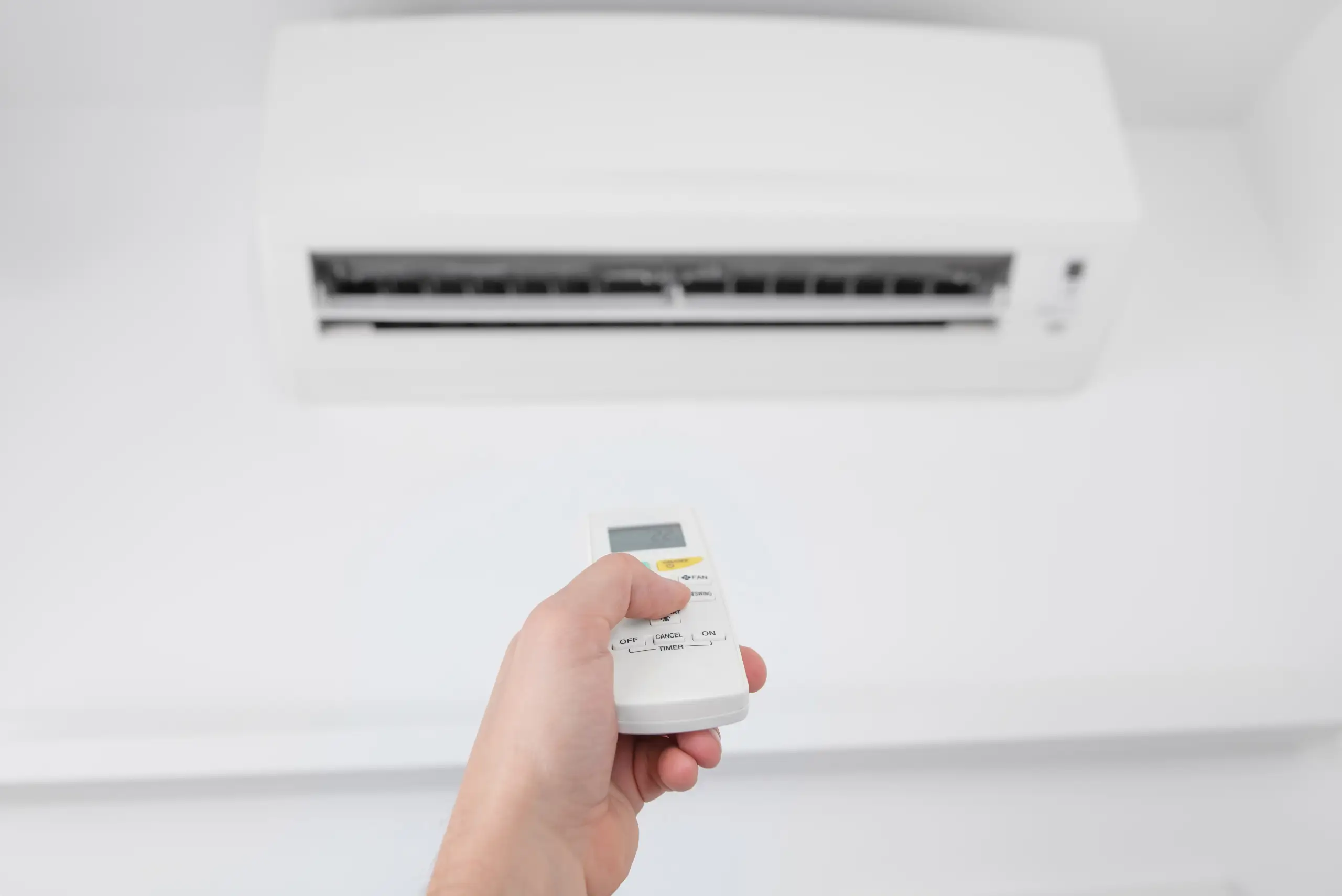
A person’s hand holding a remote control and pointing it at a white wall-mounted air conditioner unit, possibly checking for air conditioner problems or performing some AC troubleshooting due to the AC not cooling properly.

Why Is My AC Not Cooling?

If your AC is running but your home still feels warm, several issues could be preventing it from cooling properly. Common causes include a dirty air filter, thermostat problems, restricted airflow, low refrigerant, or worn system components. Some issues have simple solutions, while others require professional HVAC repair.

For homeowners in Dayton, Moraine, Kettering, Beavercreek, and surrounding communities, a cooling problem can quickly become uncomfortable during Ohio’s hot and humid summers. Knowing what to check first can help you restore comfort faster.

Check Your Thermostat First

Before assuming your air conditioner has a major problem, check the thermostat.

Make sure:

  • It’s set to Cool
  • The temperature is set below the current indoor temperature
  • The batteries are working if your thermostat uses them
  • The display is functioning properly

Sometimes a simple thermostat adjustment is all that’s needed to get your system cooling again.

Replace a Dirty Air Filter

A clogged air filter is one of the most common reasons an AC loses cooling performance.

A dirty filter can:

  • Restrict airflow
  • Reduce cooling efficiency
  • Cause uneven temperatures
  • Make your system work harder than necessary

Replacing your air filter regularly helps improve airflow and supports efficient system operation.

Make Sure Airflow Isn’t Blocked

Your air conditioner depends on unrestricted airflow throughout your home.

Check for:

  • Closed or blocked supply vents
  • Furniture covering vents
  • Dirty return air grilles
  • Obstructions around the outdoor unit

Keeping air moving freely allows your system to cool more effectively.

Low Refrigerant Can Reduce Cooling

Your AC uses refrigerant to remove heat from your home.

If refrigerant levels are low because of a leak, you may notice:

  • Warm air coming from vents
  • Longer cooling cycles
  • Ice forming on refrigerant lines
  • Higher indoor humidity

Refrigerant issues should always be diagnosed and repaired by an EPA Section 608 Certified technician.

Frozen Evaporator Coils

If airflow becomes restricted or refrigerant levels are low, the evaporator coil can freeze.

Signs include:

  • Ice on indoor components
  • Weak airflow
  • Warm air from vents
  • Water around the indoor unit after the ice melts

Turn the system off if you notice ice and contact a professional before restarting the equipment.

Dirty Outdoor Condenser Unit

Your outdoor condenser releases heat from your home. When it’s covered with dirt, leaves, or debris, cooling performance can decline.

Keep the area around your outdoor unit:

  • Clear of plants and weeds
  • Free from leaves and debris
  • Open with adequate airflow on all sides

Routine maintenance helps your system operate more efficiently throughout the cooling season.

Your AC May Be Aging

Even well-maintained systems lose efficiency as they get older.

Signs your system may be reaching the end of its service life include:

  • Frequent repairs
  • Rising energy bills
  • Inconsistent cooling
  • Excessive noise
  • Difficulty maintaining comfortable temperatures

If your air conditioner is more than 15 years old, it may be time to discuss replacement options with an HVAC professional.

How to Prevent Cooling Problems

Regular maintenance is the best way to reduce unexpected breakdowns.

To keep your AC running efficiently:

  1. Replace air filters regularly.
  2. Keep vents open and unobstructed.
  3. Clear debris from around the outdoor unit.
  4. Schedule annual AC maintenance.
  5. Address small performance issues before they become larger repairs.

Preventive maintenance helps improve efficiency, extend equipment life, and reduce the likelihood of mid-summer breakdowns.

Why Dayton Homeowners Choose Stanley

When your air conditioner isn’t cooling, you want experienced professionals who understand the demands of Ohio summers.

Homeowners throughout Dayton trust Stanley Heating, Cooling & Plumbing because we provide:

  • Fast, Friendly Service, When You Need It!
  • NATE-certified technicians
  • BBB Accredited with an A+ Rating
  • EPA Section 608 Certified professionals
  • 24/7 emergency HVAC service
  • Free estimates on HVAC replacements
  • Financing through Synchrony and FTL
  • Honest recommendations with no unnecessary upselling

Since 2005, we’ve helped homeowners throughout Montgomery County stay comfortable with dependable cooling solutions backed by The Stanley Standard.

FAQ: Why Is My AC Not Cooling?

Why is my AC running but not cooling my house?
The most common causes include a dirty air filter, thermostat issues, restricted airflow, low refrigerant, frozen coils, or mechanical problems.

Can a dirty air filter keep my AC from cooling?
Yes. A clogged filter restricts airflow and can significantly reduce your system’s cooling performance.

Should I turn my AC off if it has ice on it?
Yes. Turn the system off and contact an HVAC professional. Running an air conditioner with frozen coils can cause additional damage.

How often should I schedule AC maintenance?
Annual maintenance helps keep your system operating efficiently and can identify problems before they lead to costly repairs.

When should I replace my air conditioner instead of repairing it?
If your system requires frequent repairs, struggles to cool your home, or is more than 15 years old, it may be time to consider a replacement.

Restore Comfort to Your Dayton Home

When your AC isn’t cooling, acting quickly can help prevent bigger problems and keep your home comfortable during Ohio’s hottest weather. Simple maintenance may solve the issue, but persistent cooling problems should be inspected by a qualified HVAC professional.

Whether you need AC repair, seasonal maintenance, or expert guidance on replacing an aging system, Stanley Heating Cooling & Plumbing is here to help. Visit us at 2019 Dryden Road, Moraine, OH 45439, call (937) 902-1874, or schedule service online at stanleyheatingcooling.com. Experience The Stanley Standard from a team trusted across Dayton for 20+ years.
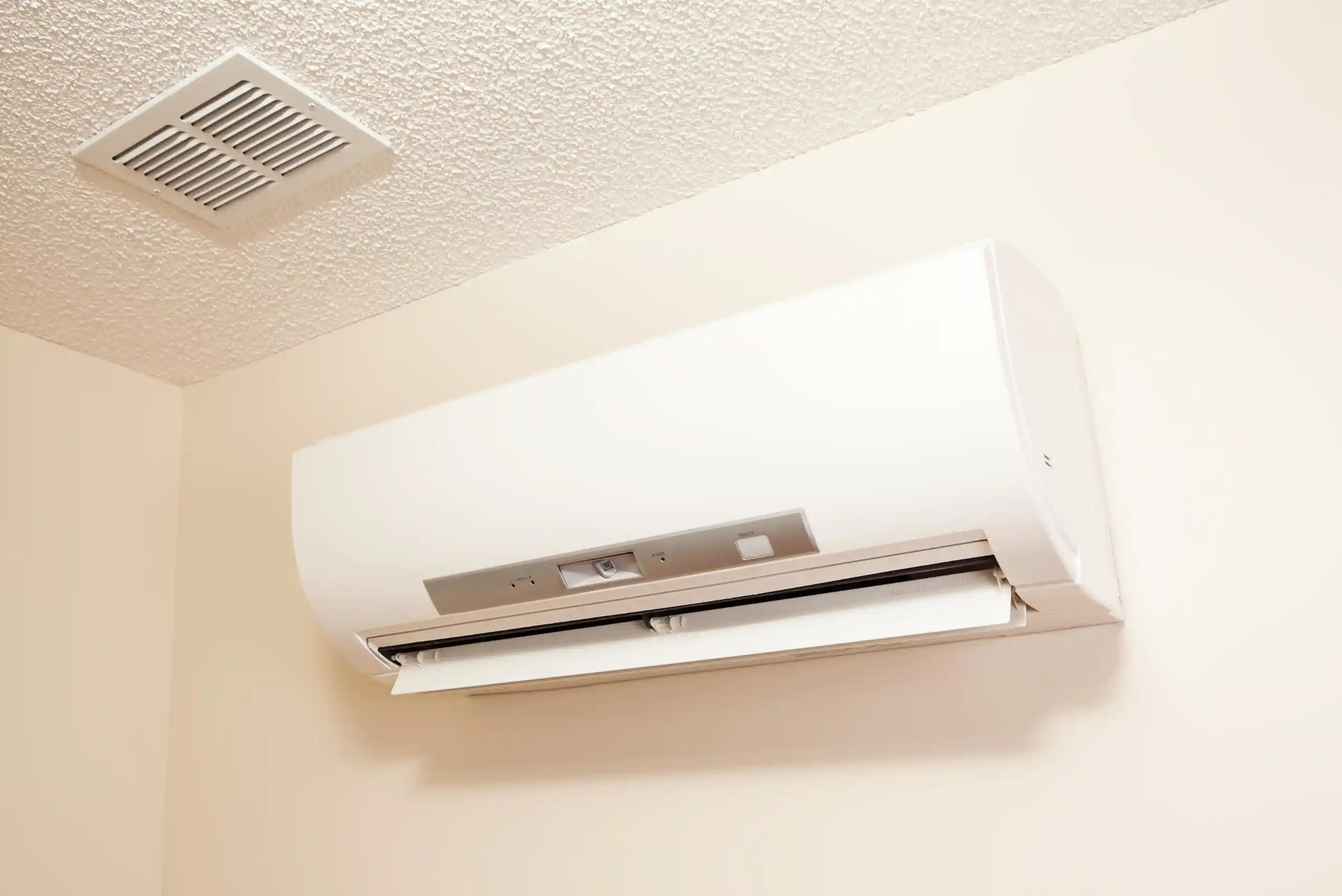
A white wall-mounted ductless mini-split air conditioning unit is installed near the ceiling of a beige room in Ohio, with a vent visible nearby on the textured ceiling—showcasing why choosing ductless mini-splits truly is worth it for efficient climate control.

Are Ductless Mini-Splits Worth It in Ohio?

Yes, ductless mini-splits are worth considering for many Ohio homeowners. They provide efficient heating and cooling, allow for customized temperature control, and are an excellent solution for homes or spaces without existing ductwork. While they are not the right fit for every situation, mini-splits offer year-round comfort for many homes throughout Dayton and the surrounding communities.

Whether you live in Moraine, Kettering, Beavercreek, Huber Heights, or Oakwood, a ductless mini-split may be the ideal way to improve comfort in specific areas of your home.

What Is a Ductless Mini-Split?

A ductless mini-split is a heating and cooling system that consists of an outdoor unit connected to one or more indoor air handlers.

Unlike traditional central HVAC systems, mini-splits do not rely on ductwork to deliver conditioned air. Instead, each indoor unit provides comfort directly to the room where it is installed.

This makes them an excellent option for homes where installing ductwork would be difficult or impractical.

When Are Mini-Splits a Good Choice?

Mini-splits work especially well in situations where central ductwork is unavailable or additional comfort is needed.

They are commonly installed in:

  • Room additions
  • Finished basements
  • Sunrooms
  • Home offices
  • Older homes without ductwork
  • Garages without existing ductwork
  • Barns and other detached structures

For homeowners who want to improve comfort in one area without replacing their entire HVAC system, a mini-split can be an effective solution.

Benefits of Ductless Mini-Splits

Mini-splits have become increasingly popular because they offer several advantages.

Some of the biggest benefits include:

  • Heating and cooling from one system
  • High energy efficiency
  • Individual temperature control by room
  • Quiet operation
  • No ductwork required
  • Compact indoor units
  • Improved comfort in hard-to-condition spaces

Many homeowners appreciate being able to adjust temperatures independently in different areas of the home.

Are Mini-Splits Efficient During Ohio Winters?

Modern ductless mini-splits provide dependable heating throughout much of Ohio’s winter season.

They perform especially well during mild to moderately cold weather while also delivering efficient cooling during the summer.

Because Ohio experiences a variety of seasonal temperatures, mini-splits can provide year-round comfort for many households. A professional evaluation helps determine whether a mini-split is the right heating solution for your home’s specific needs.

Are Mini-Splits Right for Every Home?

Not necessarily.

Central HVAC systems continue to be an excellent choice for many homes with existing ductwork.

A mini-split may be the better option if you:

  • Have rooms that never seem comfortable
  • Are you adding a new living space
  • Own an older home without ducts
  • Want more control over temperatures in individual rooms
  • Need heating and cooling for a detached space, garage, barn, or other outbuilding without ductwork

Choosing the right system depends on your home’s layout, comfort goals, and existing HVAC equipment.

Professional Installation Makes the Difference

Even the best mini-split system depends on proper installation.

Professional installation helps ensure:

  1. Proper equipment sizing
  2. Correct indoor unit placement
  3. Maximum energy efficiency
  4. Consistent heating and cooling
  5. Long-term reliability

At Stanley Heating, Cooling & Plumbing, our NATE-certified technicians evaluate your home and recommend solutions designed to meet your comfort needs while following The Stanley Standard.

Why Dayton Homeowners Choose Stanley

Choosing an experienced HVAC contractor helps ensure your investment performs as expected.

Homeowners throughout Dayton choose Stanley because we provide:

  • Fast, Friendly Service, When You Need It!
  • NATE-certified technicians
  • BBB Accredited with an A+ Rating
  • EPA Section 608 Certified professionals
  • 24/7 emergency HVAC service
  • Free estimates on HVAC replacements
  • Financing through Synchrony and FTL
  • Honest recommendations tailored to your home

Since 2005, we’ve helped homeowners throughout Montgomery County improve comfort with dependable heating and cooling solutions.

FAQ:

Can a ductless mini-split heat and cool my home?
Yes. Mini-splits provide both heating and cooling, making them a versatile year-round comfort solution.

Do mini-splits require ductwork?
No. They are designed to operate without ductwork, making them ideal for homes or rooms where ducts are unavailable.

Where are mini-splits commonly installed?
They are often used in room additions, finished basements, sunrooms, home offices, older homes without ducts, garages without existing ductwork, and barns or other detached structures.

Are mini-splits energy efficient?
Yes. Many homeowners choose mini-splits because they offer efficient heating and cooling while allowing individual room temperature control.

Do you install ductless mini-split systems?
Yes. Stanley Heating, Cooling & Plumbing installs ductless mini-split systems as part of its heating and cooling services.

Enjoy Flexible Comfort with a Ductless Mini-Split

A ductless mini-split can be an excellent solution for homes that need efficient heating and cooling without the expense or disruption of adding ductwork. Whether you’re finishing a basement, updating an older home, or making a garage more comfortable, the right system can deliver dependable comfort throughout the year.

If you’re considering a ductless mini-split for your Dayton home, Stanley Heating Cooling & Plumbing is ready to help. Visit us at 2019 Dryden Road, Moraine, OH 45439, call (937) 902-1874, or schedule service online at stanleyheatingcooling.com. Experience The Stanley Standard from a team trusted across Dayton for 20+ years.
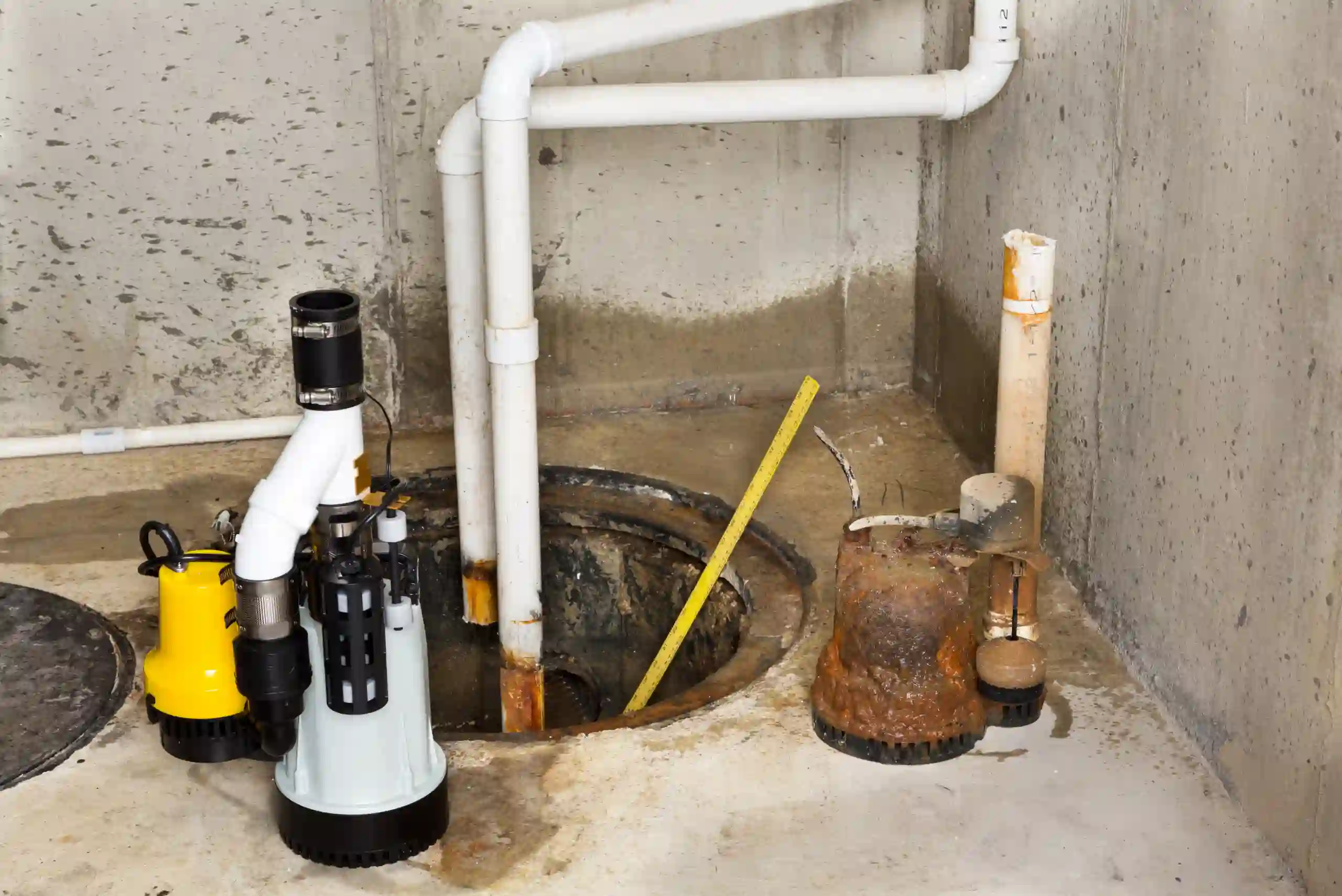
A sump pump system in a basement with visible pipes, a yellow measuring stick, and an old rusted pump next to a newer pump—all on a concrete floor near a concrete wall—shows classic sump pump signs that may indicate your old sump pump is failing.

Signs Your Sump Pump Is Failing

Your sump pump only has one job: keep water out of your basement. When it’s working, you never think about it. When it fails, you find out the hard way, usually during a storm when it’s too late to prevent damage.

Dayton’s mix of heavy spring rain, snowmelt, and proximity to the Great Miami River means basements throughout the Miami Valley depend on a working sump pump more than homeowners realize. Catching the warning signs early is the difference between a quick repair and a flooded basement.

Signs Your Sump Pump Needs Attention

Strange Noises

A healthy sump pump runs quietly. Grinding, rattling, or banging noises usually mean a worn motor bearing, a damaged impeller, or debris caught in the pump. Any new noise is worth having checked before the pump seizes up entirely.

The Pump Runs Constantly

If your sump pump is cycling on and off nonstop, or running continuously even when it hasn’t rained, something’s off. This can point to a stuck switch, a pump that’s undersized for the amount of water coming in, or a check valve that isn’t holding.

It’s Not Turning On At All

This is the big one. A pump that doesn’t activate when water rises isn’t slowing you down, it’s putting your basement at risk of flooding outright. Test it by pouring a bucket of water into the pit. If nothing happens, don’t wait.

Visible Rust or Corrosion

Rust on the pump housing or fittings is a sign of age and wear. Corroded parts are more likely to fail under pressure, especially during a heavy storm when the pump is working hardest.

Irregular Cycling

A pump that used to run in predictable, evenly spaced cycles but now kicks on erratically may have a failing float switch. This is a small part, but it’s often the first thing to go.

Old Age

Most sump pumps last 7 to 10 years. If yours is nearing or past that mark, even if it seems fine, it’s worth having it evaluated. Pumps often work right up until the moment they don’t.

Visible Moisture or Musty Odor Near the Pit

Dampness around the sump pit, a musty smell, or water stains on nearby walls can mean the pump isn’t keeping up with groundwater, even if it’s technically running.

Power Issues

Sump pumps rely on electricity, which means a power outage during a storm, exactly when you need the pump most, can leave your basement unprotected. A battery backup system solves this gap and keeps water moving even when the power’s out.

Why Sump Pump Failures Hit Harder in Dayton

Homes near the Great Miami River and in low-lying neighborhoods throughout Montgomery and Greene Counties see more groundwater pressure during spring thaw and heavy rain events. A pump that’s been fine for years can suddenly get overwhelmed when conditions change. Regular checks matter more here than in areas with less water table activity.

What to Do If You Spot These Signs

Don’t wait for the next big storm to find out your pump isn’t up to the job. A trusted technician can test the pump, check the float switch, inspect the check valve, and let you know honestly whether you need a repair or a replacement, no upselling, no guesswork.

Why Dayton Homeowners Trust Stanley

  • Fast, Friendly Service, When You Need It!
  • NATE-certified technicians with local experience
  • BBB Accredited with an A+ Rating
  • EPA Section 608 Certified professionals
  • 24/7 emergency HVAC and plumbing service
  • Flat-rate pricing, no hidden fees
  • Financing available for larger jobs

Since 2005, Stanley Heating Cooling & Plumbing has helped homeowners throughout the Greater Miami Valley protect their homes with reliable plumbing solutions backed by the Stanley Standard.

FAQ: Sump Pump Failure

How often should I test my sump pump?
Test it every few months, and always before spring and heavy rain season. Pour a bucket of water into the pit and confirm the pump activates and drains it quickly.

Can I repair a sump pump, or does it need to be replaced?
It depends on the issue. A failing float switch or check valve can often be repaired. A pump with a worn motor or one nearing the end of its 7-10 year lifespan is usually better replaced.

What happens if my sump pump fails during a storm?
Without a working pump, groundwater has nowhere to go and can flood your basement, damaging flooring, walls, and anything stored down there. A battery backup system helps protect against this during power outages.

Do you install battery backup sump pumps?
Yes. Stanley installs battery backup systems so your sump pump keeps running even if the power goes out during a storm.

Is a running sump pump normal, or a warning sign?
Occasional cycling during rain is normal. Constant running, or running when it hasn’t rained, usually points to a problem that needs a look.

Protect Your Basement Before the Next Storm

A failing sump pump doesn’t always announce itself loudly, sometimes it’s just a noise, a smell, or a pump that runs a little too often. Catching it early saves you from a flooded basement and a much bigger repair bill.

Call 937-902-1874 or schedule online at stanleyheatingcooling.com for flat-rate pricing and dependable plumbing service. Trusted across Dayton for 20+ years.
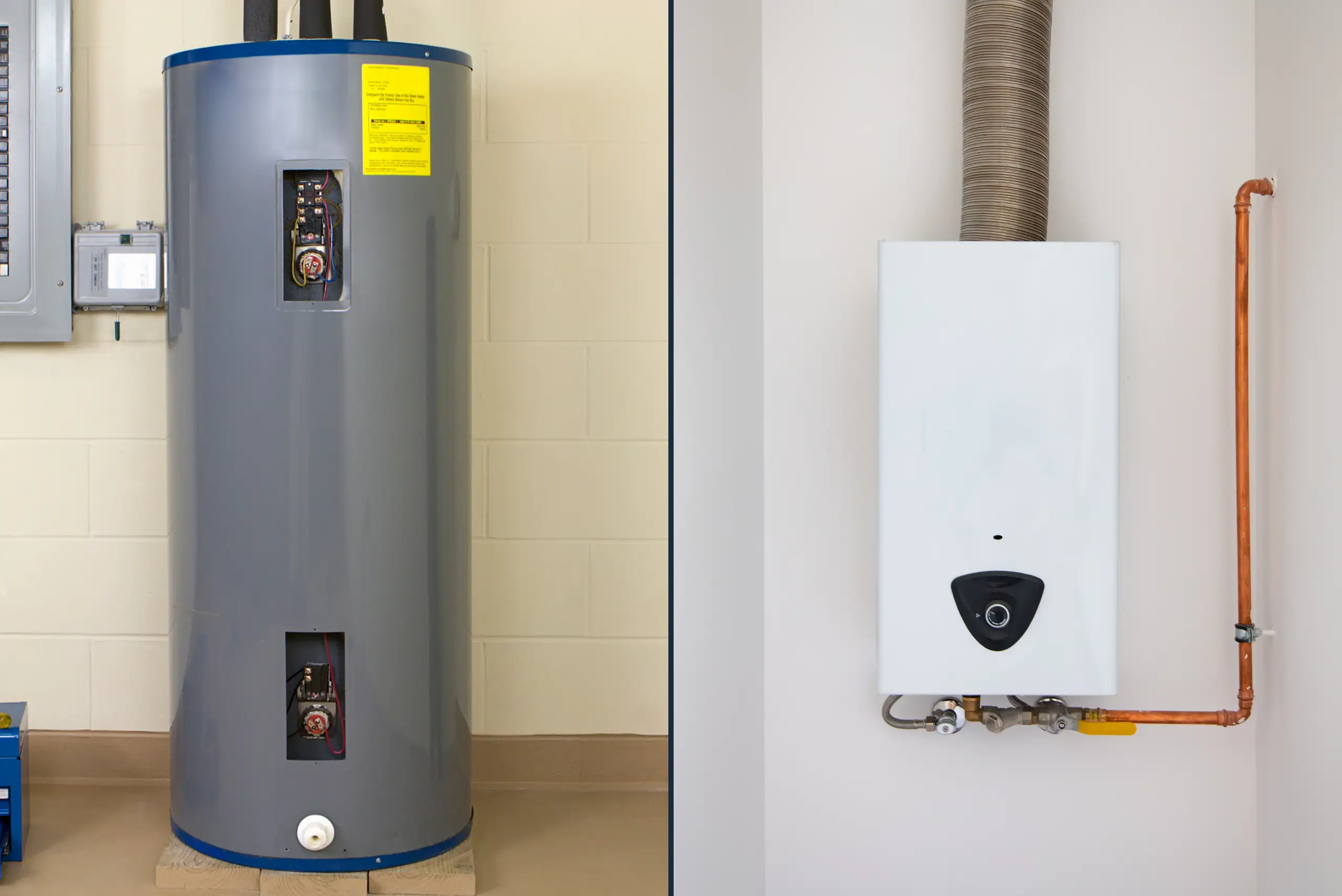
Side-by-side view of a traditional tank water heater (left) and a modern tankless water heater mounted on a wall (right), providing a clear water heater comparison.

Tankless vs. Tank Water Heater: Which Is Better?

Choosing between a tankless and a traditional tank water heater depends on your household’s hot water needs, available space, and long-term goals. Both systems provide reliable hot water, but they operate differently and offer unique advantages.

For homeowners in Dayton, Moraine, Kettering, Beavercreek, and surrounding communities, understanding these differences can help you select the right water heater for years of dependable performance.

How Does a Tank Water Heater Work?

A traditional tank water heater stores a supply of heated water in a storage tank, ready whenever you turn on a faucet. As hot water is used, the tank automatically refills and reheats the incoming water.

Tank water heaters have been the standard for decades. While they work reliably, tankless systems now offer a more efficient option for most homes.

With proper maintenance, most traditional tank water heaters last 8 to 12 years.

How Does a Tankless Water Heater Work?

A tankless water heater heats water only when you need it. Instead of storing hot water, the unit warms water as it passes through the system.

Benefits of a tankless water heater include:

  • Hot water on demand
  • Greater energy efficiency
  • Compact, space-saving design
  • Longer service life than many traditional systems

With regular maintenance, tankless water heaters often last 15 to 20 years.

Comparing Tankless and Tank Water Heaters

Each system has strengths depending on your home’s needs.

Traditional Tank Water Heater

Some homeowners with existing tank infrastructure may still consider a traditional system, though tankless units offer better efficiency and longer lifespan for most households.

Tankless Water Heater

A tankless system may be ideal if you:

  • Want hot water whenever you need it
  • Prefer a more energy-efficient solution
  • Need to save space in your utility area
  • Plan to stay in your home for many years

A professional evaluation can help determine which option best fits your household.

Which Water Heater Lasts Longer?

One of the biggest differences between the two systems is their expected lifespan.

Tank Water Heater

  • Typical lifespan: 8 to 12 years
  • Benefits from regular maintenance to reduce sediment buildup

Tankless Water Heater

  • Typical lifespan: 15 to 20 years
  • Regular maintenance helps maintain performance and efficiency

Routine inspections and maintenance can help either system provide reliable hot water for years.

Factors to Consider Before Choosing

Every home has different hot water demands.

Before deciding, consider:

  • The number of people in your household
  • Your daily hot water usage
  • Available installation space
  • Your long-term homeownership plans
  • Your energy efficiency goals

Homes in neighborhoods like Oakwood or the Oregon District may have different plumbing layouts than newer homes in Huber Heights or West Carrollton, making a professional evaluation especially valuable.

Why Professional Installation Matters

Proper installation plays a major role in the performance and lifespan of any water heater.

Professional installation helps ensure:

  • Correct system sizing
  • Reliable hot water delivery
  • Efficient operation
  • Long equipment life
  • Compliance with local plumbing codes

At Stanley Heating Cooling & Plumbing, our experienced technicians evaluate your home’s plumbing system before recommending the right water heater solution.

Maintain Your Water Heater for Better Performance

Whether you choose a tank or tankless system, regular maintenance helps protect your investment.

Good maintenance practices include:

  • Scheduling periodic inspections
  • Flushing traditional tank water heaters to reduce sediment buildup
  • Checking for leaks or corrosion
  • Monitoring water temperature
  • Addressing small issues before they become major repairs

Routine maintenance can improve efficiency and extend the life of your water heater.

FAQ: Tankless vs. Tank Water Heater

Which water heater lasts longer?
Tankless water heaters generally last 15 to 20 years, while traditional tank water heaters typically last 8 to 12 years with proper maintenance.

Is a tankless water heater more energy efficient?
Yes. Tankless systems heat water only when it’s needed, helping reduce energy use compared to storing heated water.

Can I replace my tank water heater with a tankless system?
Yes. A professional plumber can determine whether your home’s plumbing system is suitable for a tankless upgrade.

Which water heater is better for a large family?
Tankless systems can handle high demand since they heat water continuously. A professional evaluation can help size the right unit for your household.

How can I extend the life of my water heater?
Regular maintenance, inspections, and prompt repairs can help maximize the lifespan of both tank and tankless systems.

Find the Right Water Heater for Your Home

Both tank and tankless water heaters provide dependable hot water when properly selected and professionally installed. The best choice depends on your family’s needs, your home’s plumbing system, and your long-term comfort goals.

Whether you’re replacing an aging water heater or exploring your options, Stanley Heating Cooling & Plumbing helps Dayton families balance short-term costs with long-term savings. Call 937-902-1874 or schedule online at stanleyheatingcooling.com for flat-rate pricing and same-day service availability. Trusted across Dayton for 20+ years.
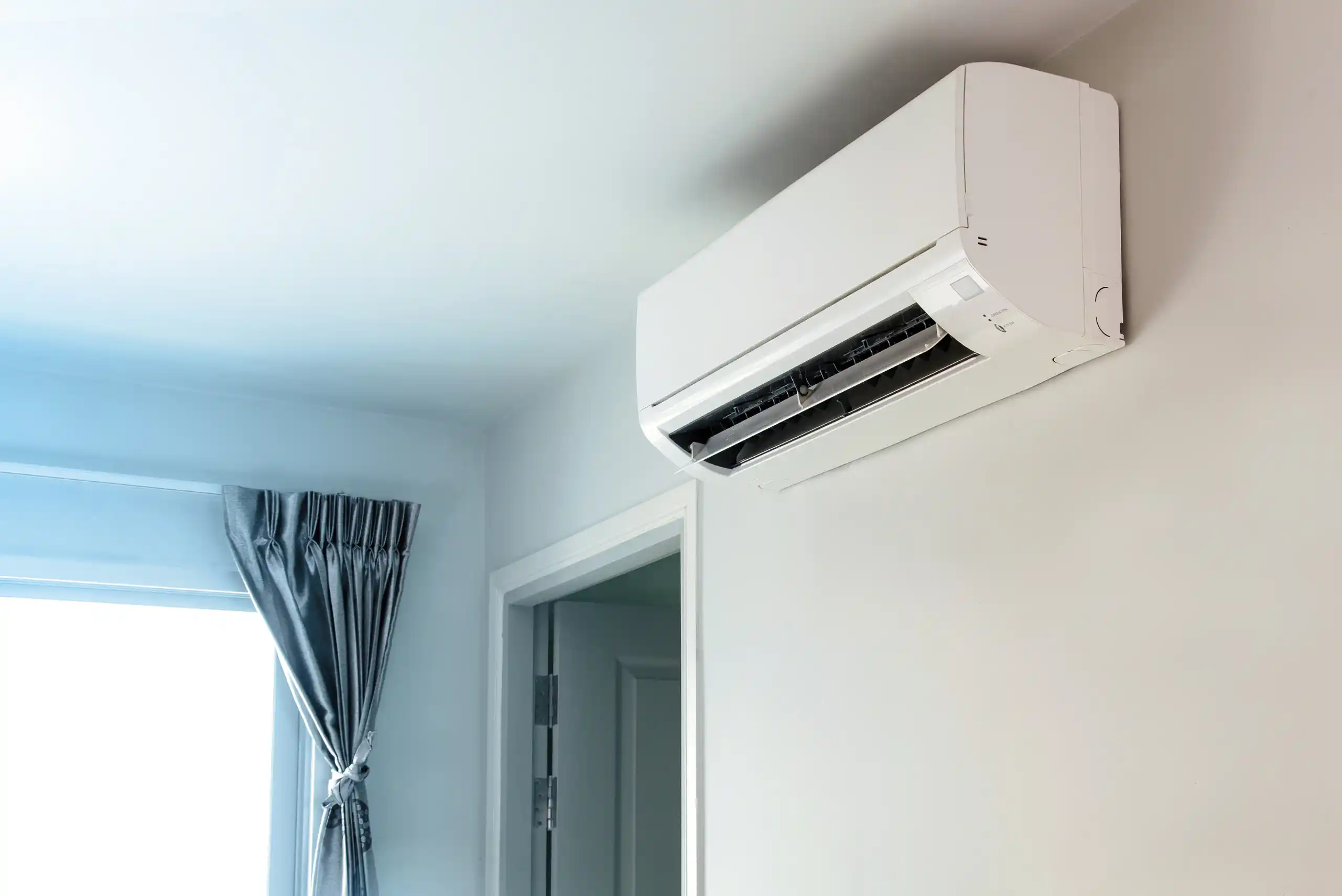
A white wall-mounted air conditioner, reminiscent of the efficient Dayton air conditioning units, is installed above a doorway in a bright room with light walls, a door, and a window covered by a gray curtain tied to the side.

How Much Does a New AC Cost in Dayton?

A new central air conditioning system in Dayton is a significant investment that varies based on your home’s size, the system’s efficiency, and installation requirements. The best way to determine the right solution is with a professional evaluation that ensures your new system is properly sized for your home.

For homeowners in Moraine, Kettering, Beavercreek, and throughout Montgomery County, replacing an aging air conditioner is an investment in comfort, energy efficiency, and long-term reliability.

What Affects the Cost of a New AC?

No two homes have identical cooling needs. Several factors influence the total cost of installing a new air conditioning system.

These include:

  • The size of your home
  • The cooling capacity required
  • The system’s energy efficiency
  • Existing ductwork condition
  • Installation complexity
  • Any necessary upgrades to your HVAC system

A properly sized system helps maximize comfort while avoiding unnecessary energy use.

When Should You Replace Your Air Conditioner?

Replacing your AC before it completely fails can help you avoid uncomfortable breakdowns during Dayton’s hottest months.

Common signs it’s time for a replacement include:

  • Your AC is over 15 years old
  • Frequent repair calls
  • Rising energy bills
  • Uneven cooling throughout your home
  • Weak airflow
  • The system struggles to keep up during hot afternoons

Homes in older neighborhoods like Oakwood or the Oregon District may also benefit from updated systems that better match modern efficiency standards.

Repair or Replace Your AC?

Many homeowners ask whether repairing an existing system is the better option.

Repair may make sense if:

  • The issue is relatively minor
  • Your system has been dependable
  • Repairs are infrequent
  • The equipment is still within its expected service life

Replacement is often the better long-term choice if:

  • Repairs are becoming more frequent
  • Your cooling bills continue to increase
  • The system no longer cools your home consistently
  • Major components have failed

A professional inspection helps determine which option offers the best long-term value.

Choosing the Right Air Conditioner

Buying a new AC involves more than selecting a brand.

Your HVAC contractor should evaluate:

  1. Your home’s square footage
  2. Insulation quality
  3. Window placement and sun exposure
  4. Existing ductwork
  5. Cooling habits and comfort preferences

This process ensures your system delivers balanced cooling throughout your home.

Why Professional Installation Matters

Even the highest-quality equipment can underperform if it isn’t installed correctly.

Professional installation helps:

  • Improve cooling efficiency
  • Maintain even temperatures
  • Reduce future repair needs
  • Extend equipment lifespan
  • Improve indoor comfort

At Stanley Heating Cooling & Plumbing, our NATE-certified technicians carefully evaluate every home before recommending a cooling solution that meets The Stanley Standard.

Benefits of Installing a New AC System

Upgrading your air conditioner provides more than cooler indoor temperatures.

Homeowners often enjoy:

  • Lower monthly energy bills
  • More consistent cooling
  • Improved indoor air quality
  • Quieter operation
  • Better humidity control
  • Greater reliability during Dayton summers

Whether you live near the Great Miami River, Wright-Patterson Air Force Base, or in neighborhoods like Huber Heights and West Carrollton, a properly installed system can make a noticeable difference in home comfort.

Why Dayton Homeowners Choose Stanley

Choosing the right HVAC company is just as important as choosing the right air conditioner.

Homeowners trust Stanley because we provide:

  • Fast, Friendly Service, When You Need It!
  • Instant online quotes with flat-rate pricing
  • NATE-certified technicians with local experience
  • BBB Accredited with an A+ Rating
  • EPA Section 608 Certified professionals
  • 24/7 emergency HVAC service
  • Financing through Synchrony and FTL
  • Honest recommendations without pressure

Since 2005, we’ve helped families throughout Dayton stay comfortable through every season.

FAQ: How Much Does a New AC Cost in Dayton?

How much does a new AC system cost in Dayton?
Cost depends on your home’s size, efficiency needs, and installation requirements. Stanley offers instant online quotes with flat-rate pricing so you know the cost upfront.

What affects the cost of a new AC?
Home size, system efficiency, ductwork condition, and installation complexity all influence the final cost.

Should I repair or replace my old AC?
If your system is older, requires frequent repairs, or struggles to cool your home, replacement may provide better long-term value.

Do you provide upfront pricing for AC replacement?
Yes. Stanley Heating Cooling & Plumbing offers instant online quotes and flat-rate pricing for new HVAC system replacements, with no hidden fees.

Do you offer financing for new AC installations?
Yes. Financing is available through Synchrony and FTL for qualified homeowners.

Upgrade Your Home Comfort with Confidence

Installing a new air conditioner is one of the best ways to improve comfort, energy efficiency, and reliability during Dayton’s hottest months. Choosing the right equipment and the right installation team ensures you’ll enjoy dependable cooling for years to come.

Whether you’re replacing an aging AC or planning for a more efficient cooling system, Stanley Heating Cooling & Plumbing helps Dayton families balance short-term costs with long-term savings. Call 937-902-1874 or schedule online at stanleyheatingcooling.com for flat-rate pricing and same-day service availability. Trusted across Dayton for 20+ years.
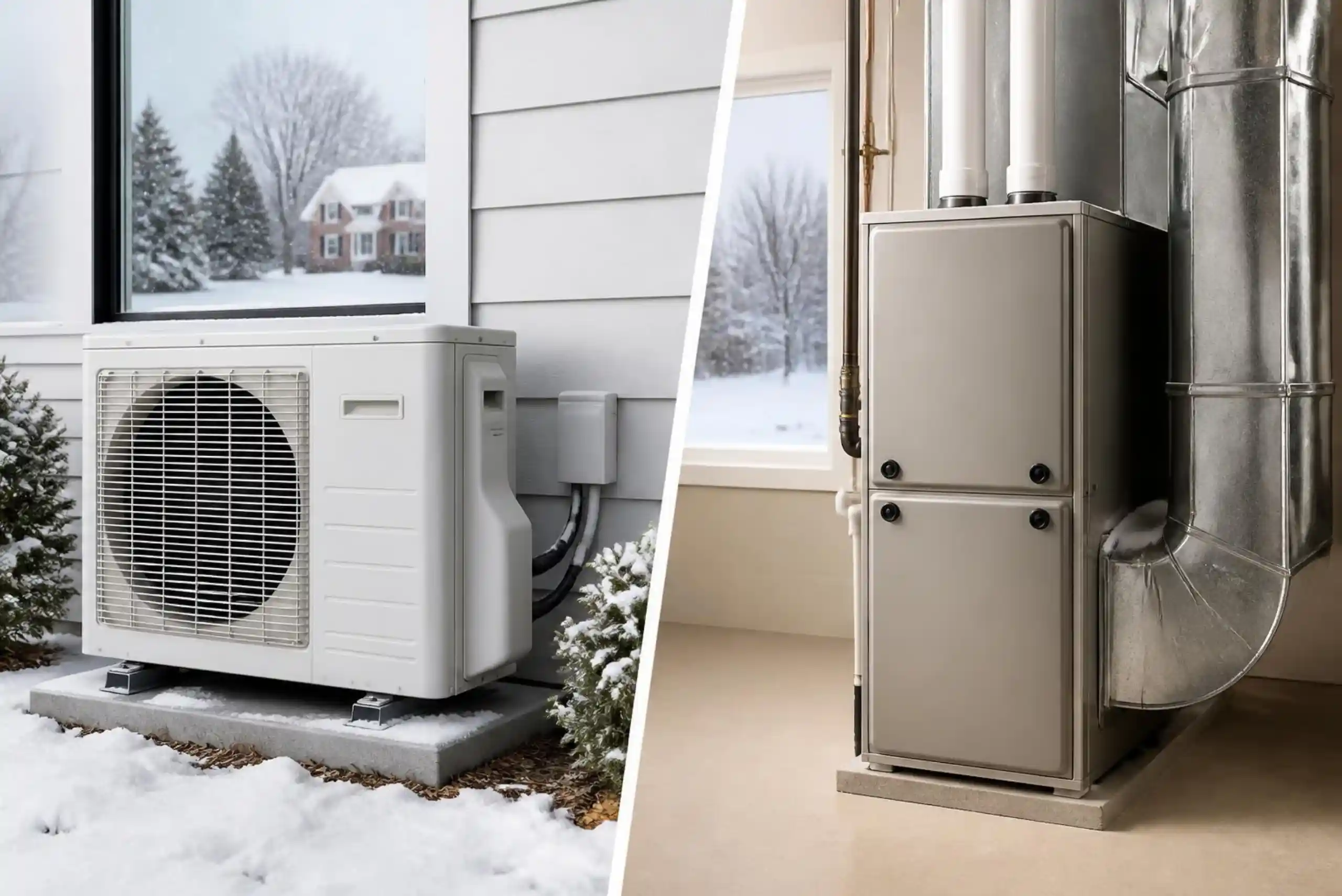
A split image showing an outdoor heat pump unit in the snow on the left and an indoor furnace with ductwork on the right, highlighting how homes in Ohio stay warm during winter settings.

Heat Pump vs. Furnace: Which Is Better in Ohio?

For many Ohio homeowners, the answer depends on their home’s heating needs, energy goals, and the local climate. Furnaces provide powerful, dependable heat during freezing weather, while heat pumps offer efficient heating and cooling in one system. The best choice is the one that’s properly sized and professionally installed for your home.

In Dayton, winters often bring below-freezing temperatures, while summers are warm and humid. Your heating system needs to perform through changing seasons without sacrificing comfort or efficiency.

Understanding the Difference Between a Heat Pump and a Furnace

Although both systems heat your home, they work differently.

Furnaces

A furnace generates heat and distributes warm air through your home’s ductwork. While they’ve been the traditional choice for decades, heat pumps now offer a more efficient alternative for most homes.

Heat Pumps

A heat pump transfers heat from the outdoor air into your home instead of creating heat directly. It also works as your air conditioning system during the summer.

Benefits include:

  • Heating and cooling from one system
  • Excellent energy efficiency during mild weather
  • Quiet operation
  • Year-round comfort with a single unit

Which System Performs Better During Ohio Winters?

Ohio’s weather can change quickly, making heating performance an important consideration.

When a Furnace Might Still Be Considered

Some homeowners with older ductwork or existing gas infrastructure may still consider a furnace. However, modern heat pumps are now designed to perform efficiently even during Ohio’s coldest days.

Heat Pumps Work Well for Many Dayton Homes

Modern heat pumps perform efficiently through much of Ohio’s heating season while also providing cooling during the summer.

They are a great fit for homeowners who want:

  • One system for heating and cooling
  • Lower energy use during moderate temperatures
  • Consistent indoor comfort
  • An energy-efficient HVAC solution

Factors to Consider Before Choosing

Every home has different heating requirements.

A professional HVAC evaluation typically considers:

  • Home size
  • Insulation quality
  • Window efficiency
  • Ductwork condition
  • Family comfort preferences
  • Age of the existing HVAC system

Homes near the Great Miami River, older neighborhoods like the Oregon District, or historic properties in Oakwood may have different heating demands than newer homes in Huber Heights or Beavercreek.

Signs It May Be Time to Replace Your Heating System

Whether you currently have a furnace or heat pump, these warning signs may indicate it’s time for an upgrade:

  • Frequent repair visits
  • Uneven temperatures throughout the home
  • Rising utility bills
  • Poor airflow
  • Excessive system noise
  • Your system is more than 15 years old

Replacing an aging system before it fails can improve comfort and reduce unexpected breakdowns during winter.

Why Professional Installation Matters

Choosing the right equipment is only part of the equation.

Professional installation helps ensure your system:

  • Operates at peak efficiency
  • Delivers even heating throughout the home
  • Lasts longer
  • Experiences fewer unexpected repairs
  • Maintains consistent indoor comfort

At Stanley Heating Cooling & Plumbing, our NATE-certified technicians carefully evaluate your home’s heating needs before recommending a solution that fits your family and your home.

Why Dayton Homeowners Trust Stanley

Choosing a heating system is a long-term investment, so it pays to work with a trusted local company.

Homeowners throughout Dayton choose Stanley because we provide:

  • Fast, Friendly Service, When You Need It!
  • NATE-certified technicians with local experience
  • BBB Accredited with an A+ Rating
  • EPA Section 608 Certified professionals
  • 24/7 emergency HVAC service
  • Flat-rate pricing with instant online quotes
  • Financing available through Synchrony and FTL

Since 2005, we’ve helped homeowners throughout Montgomery County enjoy dependable heating and cooling solutions backed by The Stanley Standard.

FAQ: Heat Pump vs. Furnace

Is a furnace better than a heat pump in Ohio?
Both are excellent choices. Furnaces provide stronger heating during very cold weather, while heat pumps offer efficient heating and cooling throughout much of the year.

Which system is more energy efficient?
Heat pumps are generally more energy efficient during moderate outdoor temperatures because they transfer heat instead of generating it.

Can a heat pump cool my home in summer?
Yes. Heat pumps provide both heating in winter and central air conditioning during warmer months.

How do I know which system is right for my home?
A professional HVAC evaluation considers your home’s size, insulation, layout, and heating requirements before recommending the best option.

Do you install both furnaces and heat pumps?
Yes. Stanley Heating Cooling & Plumbing installs furnaces and heat pump systems from trusted manufacturers like Rheem and Goodman.

Find the Best Heating Solution for Your Home

There isn’t a one-size-fits-all answer when comparing a heat pump and a furnace. The right system depends on your home’s design, your comfort expectations, and how you use your HVAC system throughout the year. A professional evaluation ensures you choose a solution built for long-term comfort and efficiency.

Whether you’re considering a new furnace or upgrading to a heat pump, Stanley Heating Cooling & Plumbing helps Dayton families balance short-term costs with long-term savings. Call 937-902-1874 or schedule online at stanleyheatingcooling.com for flat-rate pricing and same-day service availability. Trusted across Dayton for 20+ years.
How to Troubleshoot Common HVAC Issues Before Calling a Professional

Two Stanley Heating, Cooling & Plumbing service vans are parked along a suburban street lined with trees on a sunny day, ready to assist with HVAC troubleshooting. The Stanley company logo appears in the bottom right corner of the image.

HVAC problems can be frustrating, especially when you’re relying on your heating or cooling system to keep your home comfortable. While some issues require a professional technician, there are several common HVAC problems that you can troubleshoot and sometimes fix yourself. Here’s a guide to help you diagnose and address those pesky HVAC issues.

1. HVAC System Won’t Turn On

Possible Causes:

Thermostat Issues: If your thermostat isn’t set properly or is malfunctioning, it can prevent your HVAC system from turning on.

Tripped Circuit Breaker: A blown fuse or tripped breaker can stop your system from receiving power.

Dead Batteries: For digital thermostats or smart thermostats, dead batteries can cause a lack of

power.

What to Do:

Check the Thermostat: Ensure it’s set to the correct mode (cooling or heating) and temperature. Replace the batteries if needed.

Inspect the Circuit Breaker: Go to your electrical panel and check if the breaker for your HVAC system is tripped. Reset it if necessary.

Power Source: Make sure your HVAC unit is plugged in or connected to a power source. If you’re using a battery-operated thermostat, replace the batteries.

2. No Cool or Warm Air

Possible Causes:

Thermostat Settings: Incorrect settings may cause the system to run inefficiently or not turn on.

Clogged Air Filter: A dirty filter restricts airflow, reducing the system’s ability to heat or cool your space.

Refrigerant Leaks (Cooling): If your air conditioning isn’t cooling, a refrigerant leak might be to blame.

Pilot Light or Ignition Failure (Heating): If you have a gas-powered furnace, the pilot light mi

  • go out or ignition could fail.

What to Do:

  • Check Thermostat Settings: Make sure your thermostat is set to “cool” or “heat” (depending on the season). Ensure the temperature is set to a level that triggers the system.
  • Change the Air Filter: Check and replace the filter if it’s dirty or clogged. This helps maintain airflow and system performance.
  • Inspect the Pilot Light (for heating systems): If you have a gas furnace, check if the pilot light is on. If it’s off, follow the manufacturer’s instructions to relight it.
  • Call a Professional: If your A/C or furnace is still not working, the problem might be a refrigerant leak or ignition issue that requires a professional.


3. Strange Noises (Buzzing, Hissing, or Clicking)

Possible Causes:

  • Loose Parts: A buzzing or rattling noise could indicate loose components in the HVAC system, like fan blades or internal screws.
  • Dirty Blower Fan: A dirty or obstructed blower fan can produce a clicking or whistling sound.
  • Refrigerant Leaks: A hissing sound may come from a refrigerant leak in your air conditioner or heat pump.
  • Gas Valve Issues: A furnace may produce a clicking noise if there’s an issue with the gas valve or ignition.

What to Do:

  • Tighten Loose Parts: If you hear buzzing or rattling, turn off your system and check for loose screws, fan blades, or other components.
  • Clean the Blower Fan: If there’s debris in the blower, it can make unusual noises. Turn off the system and clean the fan blades carefully.
  • Call a Professional: If you hear hissing sounds, it could be a refrigerant leak. If there are gas-related noises, shut off the system and contact a technician immediately.

4. System Blowing Warm Air When Cooling

Possible Causes:

  • Thermostat Settings: The thermostat may be incorrectly set to heating instead of cooling.
  • Dirty Coils: Dirty evaporator coils can reduce the system’s ability to cool your home.
  • Low Refrigerant: Low refrigerant levels can prevent the cooling system from properly absorbing heat.

What to Do:

  • Check the Thermostat: Double-check that your thermostat is set to cooling mode and the temperature is low enough to activate the system.
  • Inspect Coils: Clean the evaporator coils if you can access them. Otherwise, call a professional to clean and inspect them.
  • Call a Technician: Low refrigerant or other technical issues will require a professional to recharge or repair your system.

5. HVAC Unit Is Constantly Running

Possible Causes:

  • Dirty Air Filter: A clogged filter can restrict airflow, causing the system to run longer than necessary.
  • Thermostat Problems: A malfunctioning thermostat might not register the right temperature, causing the system to keep running.
  • Blower Fan Issues: A malfunctioning blower motor can cause the unit to run non-stop.

What to Do:

  • Change the Air Filter: Replace any clogged filters that could be affecting airflow.
  • Check the Thermostat: Ensure that the thermostat is properly calibrated. Consider recalibrating it or replacing it if it’s malfunctioning.
  • Call a Professional: If the issue persists, you may have a problem with the blower motor, which will need a technician’s expertise to fix.

When to Call a HVAC Professional

While many common HVAC issues can be troubleshot or fixed by homeowners, some problems require professional expertise. If you experience:

  • Persistent issues after troubleshooting: If you can’t solve the problem after taking basic steps.
  • Complex repairs: Refrigerant leaks, electrical problems, or gas-related issues should always be handled by a certified technician.
  • Frequent breakdowns: If your HVAC system frequently malfunctions, it might be time for a full inspection or replacement.

By taking these troubleshooting steps, you can potentially save time and money, while also extending the lifespan of your HVAC system. But remember, when in doubt, it’s always safest to call in a