
Why HVAC Repairs Are So Common
HVAC systems work year-round to maintain comfortable temperatures inside the home. During icy winters in Dayton and sweltering summers in Dayton, OH, heating and cooling equipment is under constant demand. With this heavy use, it’s not surprising that repair calls are frequent.
Most systems have a lifespan of 10–15 years, but without proper care, breakdowns can occur much sooner. Common repair needs include everything from air conditioning repair in the summer to furnace issues in the winter. Understanding these repairs helps homeowners act quickly before minor issues escalate into costly replacements.
Air Conditioning Repair Problems
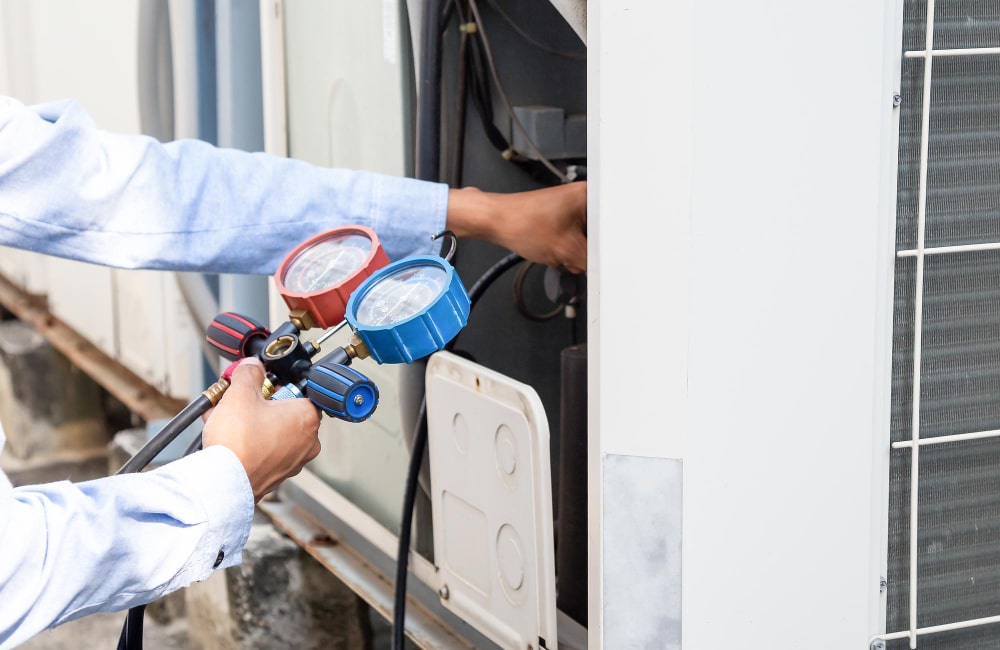
When the summer heat rises, one of the most common service calls in Dayton involves air conditioning repair. Air conditioners rely on a delicate balance of electrical, mechanical, and refrigerant components. If one part fails, the entire cooling process is disrupted.
Frequent AC Issues
- Refrigerant Leaks: When refrigerant levels drop, cooling efficiency declines. The system may blow warm air, ice may form on the evaporator coil, and energy costs rise.
- Dirty Condenser Coils: Outdoor condenser coils can accumulate dirt and debris, reducing heat transfer and forcing the system to work harder.
- Frozen Evaporator Coils: Poor airflow, clogged filters, or low refrigerant can cause coils to freeze, halting cooling until the issue is resolved.
- Faulty Compressors or Capacitors: These components are essential for starting and running the AC. When they fail, the system may not turn on at all.
Warning Signs of AC Trouble
- Uneven cooling between rooms.
- Warm air from vents despite a low thermostat setting.
- Unusual grinding or buzzing noises.
- Sharp increases in monthly utility bills.
Preventative maintenance such as coil cleaning and refrigerant checks often avoids expensive air conditioning repair.
Thermostat Malfunctions
The thermostat controls when heating and cooling cycles begin and end. If it malfunctions, the HVAC system may run at the wrong times or fail to operate altogether.
Common Thermostat Issues
- Incorrect temperature readings leading to over- or under-cooling.
- Unresponsive displays that won’t change settings.
- Dead batteries or loose wiring connections.
- Outdated thermostats incompatible with newer HVAC technology.
Upgrading to programmable or smart thermostats can reduce repair calls and help improve efficiency.
Air Filter-Related Problems
Air filters are small but vital. Their job is to trap dust, allergens, and debris before they reach HVAC components. A clogged filter restricts airflow, forcing the system to work harder and leading to other repair needs.
Effects of Dirty Filters
- Reduced airflow and uneven heating or cooling.
- Frozen evaporator coils inside air conditioners.
- Poor indoor air quality with increased allergens.
- Higher energy bills caused by excess strain on the blower motor.
Replacing filters every one to three months keeps systems healthier and reduces the risk of costly HVAC repair.
Electrical Issues in HVAC Systems
Modern HVAC systems depend on electrical components. Wiring problems and faulty circuits are among the most common service calls.
Electrical Problems Homeowners Face
- Worn-out capacitors, relays, and contactors that interrupt electrical flow.
- Tripped breakers caused by overloaded circuits.
- Loose wiring connections that create intermittent operation.
- Buzzing sounds or burning odors from failing components.
Since electrical work poses safety risks, professional repair is always recommended.
Refrigerant Leaks and Their Impact
Air conditioners cannot function properly without the correct amount of refrigerant. When leaks occur, performance drops, and the system is at risk of damage.
Symptoms of Low Refrigerant
- The air conditioner blows warm air instead of cool.
- Hissing or bubbling noises along the refrigerant line.
- Ice forming on the evaporator coil.
- Excessive indoor humidity.
Because refrigerant handling is regulated, only licensed HVAC technicians can make these repairs.
Furnace Ignition and Pilot Light Failures
During the winter months, heating problems are just as common as cooling failures. Many furnace repair calls involve ignition or pilot light issues.
Potential Causes
- Dirty burners or flame sensors prevent ignition.
- Broken thermocouples that fail to detect the flame.
- Faulty ignition switches that won’t spark.
- Gas supply problems restricting fuel to the furnace.
Warning Signs
- Furnace refuses to start or shuts down after a short cycle.
- Clicking or booming noises at startup.
- Weak heat production that doesn’t match thermostat settings.
Because furnace issues can pose safety risks, timely repair is essential.
Blower Motor Failures
The blower motor circulates conditioned air throughout the ductwork. When it breaks down, airflow becomes weak or stops entirely.
Signs of Blower Trouble
- No air coming from vents even though the system is running.
- Burning smells from overheating components.
- Grinding or screeching noises signaling worn parts.
Depending on the issue, repairs may involve lubrication, part replacement, or installing a new motor.
Frozen Evaporator Coils
Frozen evaporator coils remain a frequent cause of emergency service calls in the summer.
Why Coils Freeze
- Dirty filters restrict airflow.
- Low refrigerant prevents proper heat absorption.
- Malfunctioning fans reduce air circulation.
- Blocked ducts slow down cooling.
Allowing the coils to thaw solves the immediate problem, but the underlying cause must be corrected to prevent repeat failures.
Ductwork Leaks and Blockages
Even when HVAC units are running correctly, ductwork problems can limit efficiency and comfort.
Consequences of Poor Ducts
- Uneven temperatures throughout the house.
- Energy loss as conditioned air escapes through leaks.
- Circulation of dust, allergens, and contaminants.
Professional duct sealing and cleaning can restore proper airflow and prevent unnecessary strain on the HVAC system.
Strange Noises and Vibrations
Unusual sounds often signal that a repair is needed.
Common Noises
- Grinding or screeching usually indicates worn bearings.
- Banging or clanking may mean a broken internal part.
- Hissing suggests a refrigerant leak.
- Repeated clicking could point to electrical issues.
Catching these sounds early prevents further system damage.
Drainage and Moisture Problems
Air conditioners create condensation that drains through a line. If that line becomes clogged, water backs up and creates damage.
Signs of Drainage Trouble
- Puddles of water near the indoor unit.
- Musty odors from mold growth.
- AC shutting down mid-cycle.
Routine cleaning of condensate lines prevents water-related repairs.
Most Common HVAC Repairs and Their Causes
| Repair Issue | Typical Cause | Key Warning Sign | Repair Urgency |
| Air Conditioning Failure | Refrigerant leaks, dirty coils, bad capacitor | Warm air, uneven cooling | Immediate |
| Thermostat Malfunction | Wiring issues, outdated model, dead battery | Incorrect readings, no response | Moderate |
| Dirty Air Filters | Lack of maintenance | Weak airflow, frozen coils | Preventative/Quick |
| Electrical Problems | Loose wiring, failed capacitor | Buzzing, burning smell, shutdowns | Immediate |
| Refrigerant Leaks | Damaged refrigerant line | Hissing noises, ice buildup | Immediate |
| Furnace Ignition Problems | Dirty sensors, broken thermocouple | Furnace won’t start, clicking noises | Immediate |
| Blower Motor Failure | Overheating, worn parts | Weak/no airflow, burning smell | Immediate |
| Frozen Evaporator Coils | Dirty filter, low refrigerant | Ice buildup, reduced cooling | Urgent |
| Ductwork Issues | Leaks, blockages | Hot/cold spots, dust circulation | Moderate |
| Drainage Problems | Clogged drain line | Water pooling, musty smell | Urgent |
How to Prevent Frequent HVAC Repairs
While breakdowns are inevitable over time, homeowners can reduce repair frequency with simple steps.
Key Maintenance Practices
- Schedule professional tune-ups twice yearly, spring for cooling, fall for heating.
- Replace air filters regularly.
- Keep outdoor condenser units clear of leaves, dirt, and debris.
- Seal and insulate ductwork for efficiency.
- Pay attention to unusual noises, odors, or performance issues.
Routine maintenance ensures fewer emergency repairs and a longer system lifespan.
When to Call for Professional HVAC Repair
Some problems, like filter replacement or thermostat battery changes, can be handled by homeowners. But most repairs, especially those involving electricity, gas, or refrigerant, should be left to professionals.
Call for help if the system won’t start, airflow is weak, refrigerant is leaking, or unusual sounds and smells persist. Addressing problems quickly prevents costly damage and keeps your home comfortable.
Stanley Heating Cooling and Plumbing
Reliable HVAC Repair Is One Call Away. At Stanley Heating Cooling and Plumbing, we know how disruptive heating and cooling problems can be. That’s why our team provides fast, dependable service for both emergency repairs and routine maintenance. Serving homeowners throughout Dayton, we specialize in solving comfort challenges quickly and effectively.
Located at 2019 Dryden Rd, Moraine, OH 45439, Stanley Heating Cooling and Plumbing is just a phone call away at (937) 902-1874. Whether it’s air conditioning repair in the summer or furnace service in the winter, our experienced technicians are ready to help keep your home comfortable year-round.